Mobile app could screen children at risk for autism spectrum disorder

Mobile app could screen children at risk for autism spectrum disorder

A mobile app was successful at distinguishing toddlers diagnosed with autism spectrum disorder (ASD) from typically developing toddlers based on their eye movements while watching videos, according to a study funded by the National Institutes of Health. The findings suggest that the app could one day screen infants and toddlers for ASD and refer them for early intervention, when chances for treatment success are greatest.

The study appears in JAMA Pediatrics and was conducted by Geraldine Dawson, Ph.D., director of the NIH Autism Center of Excellence at Duke University, and colleagues. Funding was provided by NIH’s Eunice Kennedy Shriver National Institute of Child Health and Human Development (NICHD) and National Institute of Mental Health.

Studies have found that the human brain is hard-wired for social cues, with a person’s gaze automatically focusing on social signals. In ASD, attention to social stimuli is reduced, and researchers have sought to screen for ASD in young children by tracking their eye movements while they view social stimuli. However, equipment used for visual tracking is expensive and requires specially trained personnel, limiting its use outside of laboratory settings.

The current study enrolled 933 toddlers ages 16 to 38 months during a well-child primary care visit. Of these children, 40 were later diagnosed with ASD. They viewed on a mobile device short videos of people smiling and making eye contact or engaging in conversation. Researchers recorded the children’s gaze patterns with the device’s camera and measured them using computer vision and machine learning analysis. Children with ASD were much less likely than typically developing children to focus on social cues and visually track the conversations in the videos.

Pending confirmation by larger studies, the authors concluded that this eye-tracking app featuring specially designed videos and computer vision analysis could be a viable method for identifying young children with ASD.

WHO:

Alice Kau, Ph.D., Program Director in the NICHD Intellectual and Developmental Disabilities Branch, is available for comment.

ARTICLE:

Chang, Z et al. Novel Scalable Computational Methods Reveal Atypical Patterns of Gaze in

Toddlers with Autism Spectrum Disorder. JAMA Pediatrics.2021.


from ScienceBlog.com https://ift.tt/3aJtLAq

A new perspective on the genomes of archaic humans

A new perspective on the genomes of archaic humans

A genome by itself is like a recipe without a chef – full of important information, but in need of interpretation. So, even though we have sequenced genomes of our nearest extinct relatives – the Neanderthals and the Denisovans – there remain many unknowns regarding how differences in our genomes actually lead to differences in physical traits.

“When we’re looking at archaic genomes, we don’t have all the layers and marks that we usually have in samples from present-day individuals that help us interpret regulation in the genome, like RNA or cell structure,” said David Gokhman, a postdoctoral fellow in biology at Stanford University.

“We just have the naked DNA sequence, and all we can really do is stare at it and hope one day we’d be able to understand what it means,” he said.

Motivated by such hopes, a team of researchers at Stanford and the University of California, San Francisco (UCSF), have devised a new method to harvest more information from the genomes of archaic humans to potentially reveal the physical consequences of genomic differences between us and them.

Their work, published April 22 in eLife, focused on sequences related to gene expression – the process by which genes are activated or silenced, which determines when, how and where DNA’s instructions are followed. Gene expression tends to be the genetic detail that determines physical differences between closely related groups.

Starting with 14,042 genetic variants unique to modern humans, the researchers found 407 that specifically contribute to differences in gene expression between modern and archaic humans. In further analysis, they determined that the differences were more likely to be associated with the vocal tract and the cerebellum, which is the part of our brain that receives sensory information and controls voluntary movement, including walking, coordination, balance and speech.

“It just seems so implausible that you could make a call like, ‘I think the voice box evolved,’ from the information we have,” said Dmitri Petrov, the Michelle and Kevin Douglas Professor in the School of Humanities and Sciences, who is co-senior author of the paper with Gokhman and Nadav Ahituv, a professor of bioengineering at UCSF. “The predictions are almost science fiction. If five years ago, somebody told me that this would be possible, I would not have put much money on it.”

The path to modern humans

With such a large number of variants to examine, the researchers relied on a technique called a “massively parallel reporter assay” to test which sequences actually affect gene regulation. Their version of this technique, which was developed by Ahituv, involves packaging the DNA sequence variant into a “reporter gene” inside a virus. That virus is then put into a cell. If that variant affects gene expression, the reporter gene produces a barcoded molecule that identifies what DNA sequence it came from. The barcode allows the researchers to scan the products of a large number of variants at once.

Essentially, the whole process imitates an abridged version of how each variant would play out in a cell in real life and reports the results.

Lana Harshman, a graduate student at UCSF and co-lead author of the paper, infected three types of cells with the team’s variant packages. These cells were related to the brain, skeleton and early development – subjects that are most likely to reveal evolutionary differences between us and our most recent ancestors. Carly Weiss, a postdoctoral scholar in the Petrov lab and co-lead author of the paper, analyzed the results of these experiments.

In total, the researchers found 407 sequences that represented a change in expression in modern humans compared to our predecessors. Among that list, genes that affect the cerebellum and genes that affect the voice box, pharynx, larynx and vocal cords seem to be overrepresented.

“This would suggest some kind of rapid evolution of those organs or some kind of a path that is specific to modern humans,” said Gokhman. The next step, he added, would be trying to understand more about these sequences and the roles they played in the evolution of modern humans.

Even with those unknowns, this technique by itself is a significant advance for evolutionary research, said Petrov.

“This goes beyond the sequencing of the DNA from the Neanderthal and Denisovan bones. This begins to put meaning on those differences,” said Petrov. “It’s an important conceptual step from just the sequence – no tissue, no cells – to biological information and will enable many future studies.”

Hunter Fraser, associate professor of biology at Stanford, and Fumitaka Inoue (UCSF) are also co-authors of the paper. Fraser is also a member of Stanford Bio-X, the Maternal & Child Health Research Institute (MCHRI) and the Stanford Cancer Institute. Petrov is also a member of Stanford Bio-X and the Maternal & Child Health Research Institute (MCHRI), and an affiliate of the Stanford Woods Institute for the Environment.

This research was funded by Human Frontier, Rothschild and Zuckerman fellowships; the National Human Genome Research Institute; the National Institute of Mental Health; the Uehara Memorial Foundation; and the Stanford Center for Computational, Evolutionary and Human Genomics (CEHG).

To read all stories about Stanford science, subscribe to the biweekly Stanford Science Digest.

Media Contacts

Taylor Kubota, Stanford News Service: (650) 724-7707; tkubota@stanford.edu

Robin Marks, UCSF: (415) 663-6768; Robin.Marks@UCSF.edu


from ScienceBlog.com https://ift.tt/3sV1woF

Flood risk’s impact on home values

Flood risk’s impact on home values

Buyer beware: Single-family homes in floodplains – almost 4 million U.S. homes – are overvalued by nearly $44 billion collectively, or $11,526 per house on average, according to a new Stanford University-led study. Published in Proceedings of the National Academies of Sciences, the study suggests that unaware buyers and inadequate disclosure laws drive up financial risks that could destabilize the real estate market. The threat is likely to grow as climate change drives more frequent extreme weather.

“The overvaluation we find is really concerning, especially given the increases in climate risk that are coming our way,” said study lead author Miyuki Hino, who was a PhD student in the Emmett Interdisciplinary Program in Environment and Resources in Stanford’s School of Earth, Energy & Environmental Sciences (Stanford Earth) at the time of the research and is now an assistant professor in the University of North Carolina at Chapel Hill’s department of city and regional planning. “Improving how we communicate about flooding is an important step in the right direction.”

Water hazard

In some states, such as Florida, as many as one in six homes are in floodplains. As more people have built more homes in areas exposed to cyclones, sea-level rise and other inundation hazards, flooding damage costs have skyrocketed. Since 2000, overall flood damages have quadrupled in the U.S.

More frequent extreme weather could magnify the trend. In the next 30 years, flood damages to U.S. homes are projected to rise more than 60 percent, from $20 billion to nearly $32.2 billion a year, according to nonprofit research group First Street Foundation.

While some states, such as Louisiana, require detailed flood risk disclosures, others require no risk disclosures of any kind. Only two states require that sellers disclose the cost of their insurance policy – an additional cost burden for the buyer. Most states only require disclosures by the time the contract is signed, making them unlikely to inform buyers’ decisions.

Unlike many past studies, which focused on single counties or cities in only a few states, the new analysis casts a nationwide net to paint a clearer picture of whether markets effectively account for publicly available information about flood risk. Hino and study senior author Marshall Burke, an associate professor of Earth system science at Stanford Earth, pored over historical and current floodplain maps as well as detailed real estate transaction data to estimate the effect of regulatory floodplain maps on property values or what the researchers call the flood zone discount.

To better understand the drivers of flood zone discount, the researchers examined what happened to property values when floodplain maps were updated, causing some houses to be rezoned from outside to inside the floodplain.

Getting soaked

The analysis revealed that single-family homes zoned into a floodplain lose roughly 2 percent of their value, which works out to $10,500 for a $500,000 home or $21,000 for a $1 million home. In contrast, had buyers factored in the cost of fully insuring the floodplain home against damage, it should have pushed prices down 4.7 percent to 10.6 percent ­– as much as $53,000 for a $500,000 home or $106,000 for a $1 million home, according to the researchers.

“We like to think that markets work efficiently and incorporate all known information about risk,” said Burke. “But here we find clear evidence, in an incredibly valuable market, that the market is underpricing flood risk.”

Perhaps unsurprisingly, the results suggest that a buyer’s flood risk awareness shapes the value they perceive in a property. This awareness is likely informed by a combination of disclosure laws and the extent of flood risk within the community measured by the percentage of homes located in floodplains. More sophisticated commercial buyers, such as corporations that rent out single-family homes, discount flood zone properties by about 5 percentage points more than other buyers.

The urgency of informing homebuyers about hazards from floods and other climate change-driven hazards will only grow. This past year was the tenth in a row with eight or more billion-dollar disasters in the U.S.

Policymakers can help by passing legislation that promotes access to information about the extent of past flood events and strengthens real estate disclosure requirements, according to the researchers. Broader risk communication efforts – requiring sellers to disclose flood risks and insurance costs before buyers make offers, for example – could help rebalance real estate markets and significantly increase buy-in for flood insurance coverage, something the National Flood Insurance Program has failed to do.

“We spend a lot of time and energy trying to map climate hazards and how they are changing, and we need to make sure that people can access and understand that information when they need it,” said Hino.

Burke is also a senior fellow at the Freeman Spogli Institute for International Studies, at the Stanford Woods Institute for the Environment and at the Stanford Institute for Economic Policy Research.

The research was funded by the Sykes Family Fellowship in the Emmett Interdisciplinary Program in Environment and Resources.

To read all stories about Stanford science, subscribe to the biweekly Stanford Science Digest.

Media Contacts

Miyuki Hino, University of North Carolina: mhino@unc.edu

Marshall Burke, Stanford Department of Earth System Science: mburke@stanford.edu

Rob Jordan, Stanford Woods Institute for the Environment: (650) 721-1881; rjordan@stanford.edu


from ScienceBlog.com https://ift.tt/3dTwpp2

Skin and bones repaired by bioprinting during surgery

Skin and bones repaired by bioprinting during surgery

Fixing traumatic injuries to the skin and bones of the face and skull is difficult because of the many layers of different types of tissues involved, but now, researchers have repaired such defects in a rat model using bioprinting during surgery, and their work may lead to faster and better methods of healing skin and bones.

“This work is clinically significant,” said Ibrahim T. Ozbolat, Hartz Family Career Development Associate Professor of Engineering Science and Mechanics, Biomedical Engineering and Neurosurgery, Penn State. “Dealing with composite defects, fixing hard and soft tissues at once, is difficult. And for the craniofacial area, the results have to be esthetically pleasing.”

Currently, fixing a hole in the skull involving both bone and soft tissue requires using bone from another part of the patient’s body or a cadaver. The bone must be covered by soft tissue with blood flow, also harvested from somewhere else, or the bone will die. Then surgeons need to repair the soft tissue and skin.
Skin and bones repaired by bioprinting during surgery

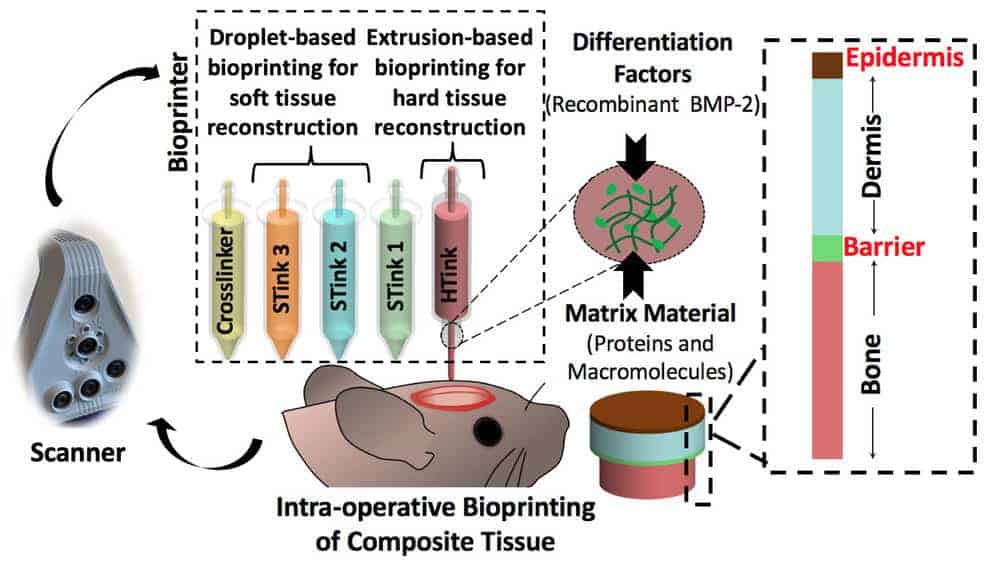
Ozbolat and his team used extrusion bioprinting and droplet bioprinting of mixtures of cells and carrier materials to print both bone and soft tissue. They report their results in Advanced Functional Materials.

“There is no surgical method for repairing soft and hard tissue at once,” said Ozbolat. “This is why we aimed to demonstrate a technology where we can reconstruct the whole defect — bone to epidermis — at once.”

The researchers attacked the problem of bone replacement first, beginning in the laboratory and moving to an animal model. They needed something that was printable and nontoxic and could repair a 5-millimeter hole in the skull. The “hard tissue ink” consisted of collagen, chitosan, nano-hydroxyapatite and other compounds and mesenchymal stem cells — multipotent cells found in bone marrow that create bone, cartilage and bone marrow fat.

The hard tissue ink extrudes at room temperature but heats up to body temperature when applied. This creates physical cross-linkage of the collagen and other portions of the ink without any chemical changes or the necessity of a crosslinker additive.

The researchers used droplet printing to create the soft tissue with thinner layers than the bone. They used collagen and fibrinogen in alternating layers with crosslinking and growth enhancing compounds. Each layer of skin including the epidermis and dermis differs, so the bioprinted soft tissue layers differed in composition.

Experiments repairing 6 mm holes in full thickness skin proved successful. Once the team understood skin and bone separately, they moved on to repairing both during the same surgical procedure.

“This approach was an extremely challenging process and we actually spent a lot of time finding the right material for bone, skin and the right bioprinting techniques,” said Ozbolat.

After careful imaging to determine the geometry of the defect, the researchers laid down the bone layer. They then deposited a barrier layer mimicking the periosteum, a heavily vascularized tissue layer that surrounds the bone on the skull.

“We needed the barrier to ensure that cells from the skin layers didn’t migrate into the bone area and begin to grow there,” said Ozbolat.

After laying down the barrier, the researchers printed the layers of dermis and then the epidermis.

“It took less than 5 minutes for the bioprinter to lay down the bone layer and soft tissue,” said Ozbolat.

The researchers performed more than 50 defect closures and achieved 100% closure of soft tissue in four weeks. The closure rate for bone was 80% in six weeks, but Ozbolat noted that even with harvested bone replacement, bone closure usually does not reach 100% in six weeks.

According to Ozbolat, blood flow to the bone is especially important and inclusion of vascularizing compounds is a next step.

The researchers also want to translate this research to human applications and are continuing to work with neurosurgeons, craniomaxillofacial surgeons and plastic surgeons at Penn State Hershey Medical Center. They operate a larger bioprinting device on larger animals.

Other researchers from Penn State working on this project include Kazim K. Moncal, recent doctoral degree recipient; Hemanth Gudapati, recent doctoral degree recipient; and Youngnam Kang, postdoctoral fellow; all in engineering science and mechanics.  Kevin P. Godzik, recent bachelor’s recipient in biomedical engineering; Jason Z. Moore, associate professor in mechanical and biomedical engineering; and David F. Pepley, doctoral degree recipiant in mechanical engineering. At Penn State Hershey Medical Center were Hwa Bok Wee, research associate, and Gregory S. Lewis, assistant professor, Orthopedics and Rehabilitation; Elias Rizk, associate professor of neurosurgery, Thomas D. Samson, associate professor of plastic surgery, and Dino J. Ravnic, assistant professor of plastic surgery; all in the College of Medicine.

Others were Dong N. Heo, former postdoctoral fellow and now research professor of dental materials, Kyung Hee University, Seoul, Republic of Korea; Veli Ozbolat, former postdoctoral fellow and now assistant professor, Cukorova University, Adana, Turkey; and Ryan R. Driskell, assistant professor of molecular biosciences, Washington State University.

The National Institute of Dental and Craniofacial Research, National Science Foundation, Osteology Foundation and International Team for Implantology supported this work.


from ScienceBlog.com https://ift.tt/3dVq5gK

Between transparency and confidentiality, is electronic voting viable?

Between transparency and confidentiality, is electronic voting viable?
In France, where the first lockdown was imposed immediately following the initial round of the 2020 municipal elections, the Covid-19 pandemic has brought remote electronic voting back to the forefront. Stéphanie Delaune and Véronique Cortier, specialists in cryptographic issues, shed light on the scientific approach to e-voting.

What is electronic voting and how is it used in the world?
Stéphanie Delaune:1
 There are two types of electronic voting, either using a dedicated machine or voting online from a personal computer. Although certain issues are common to both, these are two very different solutions. Véronique Cortier and I work primarily on Internet voting. In France, machines were briefly used, but a moratorium in 2008 effectively halted their rollout, except for occasional use in municipal elections.

Véronique Cortier:2 Practices vary widely from country to country, and voters usually have no idea how the proposed electronic voting systems operate. French citizens living in other countries can vote online for parliamentary and consular elections. But for the 2012 poll, no information was made public as to how those ballots were handled, even though some slivers of information can be surmised. And in fact, the experiment was not repeated in 2017: online voting for French nationals abroad was called off a few months before the election. The pioneer in the field is Estonia, whose population is issued an electronic identity card that provides much better authentication than the system of user names and passwords sent by regular post. Australia adopted e-voting a few years ago, with several hundred thousand electronic ballots. Switzerland is also a leader, especially because it holds multiple referenda every year, each time on several issues. Voting by mail is common practice, hence the will to switch from paper to virtual ballots.

What led you to study electronic voting?
S.D.: 
Some of the issues involved in e-voting overlap with those of cryptographic protocols, especially in terms of maintaining anonymity and privacy. Our research focuses primarily on the development of verification techniques, which gives us plenty to chew on.

V.C.: It is in fact difficult to ensure both reliability and voter anonymity: how can one be certain that the result is correct, or that only qualified people have voted, without revealing who did and how? We consider that the conventional paper ballot offers an excellent compromise between these two properties, at least for large-scale national elections. This level has yet to be reached for electronic voting in France, where e-voting solutions are black boxes: people don’t know anything about the system being used and don’t even have proof that the servers have received their ballot.

S.D.: This duality between anonymity and transparency complicates the situation. It’s an issue that must be addressed in order for electors to trust the final result. With paper voting, the boxes are transparent for a good reason: seeing their ballots fall inside is part of a ritual that helps reassure voters.

What are the main obstacles for researchers in this field?
V.C.: 
The first step in any scientific analysis is to define the terms. Determining what is a secret ballot is not as easy as it seems. For example, a unanimous election means that everyone chose a particular candidate, which poses no confidentiality issue. Yet if all voters but one selected Candidate A, the person who didn’t knows the choice of all the others, who on the contrary have no idea who voted for Candidate B. The research community has yet to reach a consensus on the definition of a secret ballot. Certain criteria are reasonable enough, but not applicable to all voting systems. It would be very risky to claim that a given protocol is secure when it isn’t always the case, or to keep trying to improve it beyond what is necessary.

S.D.: There is now a consensus on certain elements of security, such as what makes a good protocol for storing authentication keys. However, voting poses its own specific problems, resulting in definitions that are by no means absurd, but are limited.

Since voting is not just about choosing government officials, what solutions are available for other types of elections?
V.C.:
 I developed Belenios with my colleagues Pierrick Gaudry and Stéphane Glondu at the LORIA. The software has become more widely used during the pandemic, especially by academic groups and private organisations, for example to tally votes in a virtual general assembly. The encoded ballots and ballot box are visible to all and electors keep a receipt containing a record of their encrypted vote, so they can verify that it has been properly counted.
Mathematical tools then allow any outside expert to verify that the result does indeed match the vote. The only limit is that users must trust the computer of the participant in charge of encryption, as they are not protected if it has been appropriated for malicious purposes.

S.D.: Cryptography experts can even create their own verification codes if they don’t trust Belenios.

In the short term, what possibilities and limitations would there be in France for electronic voting?
V.C.: 
Online voting has been approved for French citizens residing in foreign countries in preparation for the 2022 parliamentary elections, and a service provider has been selected following a call for tenders. The fears triggered by the pandemic nearly led to the adoption of voting machines for the next presidential poll, but the proposal was ultimately rejected. Someone in politics could revive the idea, but from a scientific point of view, electronic voting does not currently offer the same degree of security and transparency as going to an official polling station and putting a paper ballot into a ballot box. If French nationals in other countries vote by post, they cannot be totally certain that their ballot will be delivered on time and that it won’t be identified or modified. Online voting is generally better in that specific case.

Footnotes
  • 1.Research professor at the Research Institute of Computer Science and Random Systems (IRISA – CNRS / Université de Rennes 1 / ENS Rennes / INSA Rennes / Université Bretagne Sud / INRIA / IMT Atlantique – Institut Mines-Telecom).
  • 2.Research professor at the Lorraine Research Laboratory in Computer Science and its Applications (LORIA – CNRS / Université de Lorraine / INRIA).


from ScienceBlog.com https://ift.tt/32OGZrg

Harvard launches new Ph.D. program in quantum science

Harvard launches new Ph.D. program in quantum science

In the middle of the 20th century, mathematicians, physicists, and engineers at Harvard began work that would lay the foundations for a new field of study, the applications of which would change the world in ways unimaginable at the time. These pioneering computer scientists helped develop the theory and technology that would usher in the digital age.

Harvard is once again taking a leading role in a scientific and technological revolution — this time in the field of quantum science and engineering. Today, the University launched one of the world’s first Ph.D. programs in the subject, providing the foundational education for the next generation of innovators and leaders who will transform quantum science and engineering into next-level systems, devices, and applications.

The new degree is the latest step in the University’s commitment to moving forward as both a leader in research and an innovator in teaching in the field of quantum science and engineering. Harvard launched the Harvard Quantum Initiative in 2018 to foster and grow this new scientific community. And additional future plans call for the creation of a quantum hub on campus to help further integrate efforts and encourage collaboration.

“This is a pivotal time for quantum science and engineering at Harvard,” said President Larry Bacow. “With institutional collaborators including MIT and industry partners, and the support of generous donors, we are making extraordinary progress in discovery and innovation. Our faculty and students are driving progress that will reshape our world through quantum computing, networking, cryptography, materials, and sensing, as well as emerging areas of promise that will yield advances none of us can yet imagine.”

“This cross disciplinary Ph.D. program will prepare our students to become the leaders and innovators in the emerging field of quantum science and engineering,” said Emma Dench, dean of the Graduate School of Arts and Sciences. “Harvard’s interdisciplinary strength and intellectual resources make it the perfect place for them to develop their ideas, grow as scholars, and make discoveries that will change the world.”

At the nexus of physics, chemistry, computer science, and electrical engineering, quantum science and technology promises to profoundly change the way we acquire, process, and communicate information. Imagine a computer that could sequence a person’s genome in a matter of seconds or an un-hackable communications system that could make data breaches a thing of the past. Quantum technology will usher in game-changing innovations in health care, infrastructure, security, drug development, climate-change prediction, machine learning, financial services, and more.

Harvard launches new Ph.D. program in quantum science

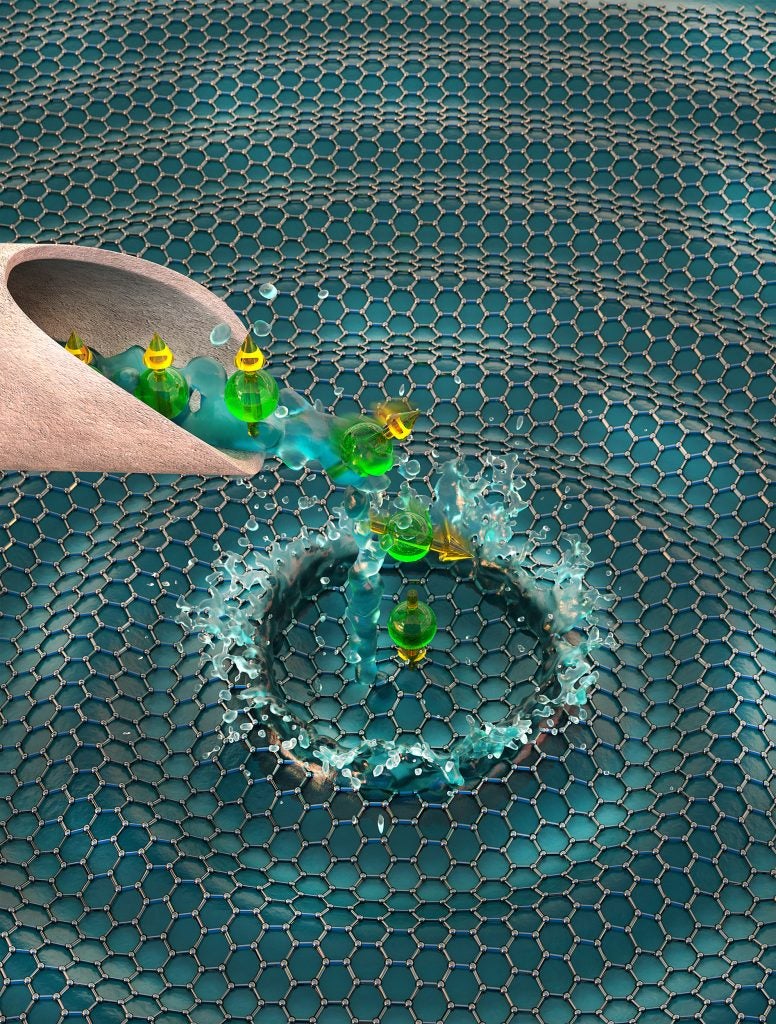
Researchers excited and detected spin waves in a quantum Hall ferromagnet, spending them through the insulating material like waves in a pond.

The University is building partnerships with government agencies and national laboratories to advance quantum technologies and educate the next generation of quantum scientists. Harvard researchers will play a major role in the Department of Energy’s (DOE) Quantum Information Science (QIS) Research Centers, aimed at bolstering the nation’s global competitiveness and security. As part of the centers, Harvard researchers will:

  • develop and study the next generation of quantum materials that are resilient, controllable, and scalable;
  • use quantum-sensing techniques to explore the exotic properties of quantum materials for applications in numerous quantum technologies;
  • construct a quantum simulator out of ultra-cold molecules to attack important problems in materials development and test the performance of new types of quantum computation;
  • develop topological quantum materials for manipulating, transferring, and storing information for quantum computers and sensors;
  • investigate how quantum computers can meaningfully speed up answers to real-world scientific problems and create new tools to quantify this advantage and performance.

In partnership with the National Science Foundation (NSF) and the White House Office of Science and Technology Policy (OSTP), the Harvard University Center for Integrated Quantum Materials (CIQM) has helped develop curriculum and educator activities that will help K‒12 students engage with quantum information science. CIQM is also collaborating with the Learning Center for the Deaf to create quantum science terms in American Sign Language.

“Breakthrough research happens when you create the right community of scholars around the right ideas at the right time,” said Claudine Gay, the Edgerley Family Dean of the Harvard Faculty of Arts and Sciences. “The Harvard Quantum Initiative builds on Harvard’s historic strength in the core disciplines of quantum science by drawing together cross-cutting faculty talent into a community committed to thinking broadly and boldly about the many problems where quantum innovations may offer a solution. This new approach to quantum science will open the way for new partnerships to advance the field, but perhaps even more importantly, it promises to make Harvard the training ground for the next generation of breakthrough scientists who could change the way we live and work.”

“Harvard’s missions are to excel at education and research, and these are closely related,” said John Doyle, the Henry B. Silsbee Professor of Physics and co-director of HQI. “Being at — and sometimes defining — the frontier of research keeps our education vibrant and meaningful to students. We aim to teach a broad range of students to think about the physical world in this new, quantum way as this is crucial to creating a strong community of future leaders in science and engineering. Tight focus on both research and teaching in quantum will develop Harvard into the leading institution in this area and keep the country at the forefront of this critical area of knowledge.”

Quantum at Harvard: ‘A game-changing’ moment

A conversation with SEAS Dean Frank Doyle, John A. and Elizabeth S. Armstrong Professor of Engineering and Applied Sciences, and Science Division Dean Christopher Stubbs, Samuel C. Moncher Professor of Physics and of Astronomy.

TRANSCRIPT

The University’s location within the Greater Boston ecosystem of innovation and discovery is one of its greatest strengths.

A recent collaboration between Brigham and Women’s Hospital, Harvard Medical School, and University quantum physicists resulted in a proof-of-concept algorithm to dramatically speed up the analysis of nuclear magnetic resonance (NNMR) readings to identify biomarkers of specific diseases and disorders, reducing the process from days to just minutes.

A multidisciplinary team of electrical engineers and physicists from Harvard and MIT are building the infrastructure for tomorrow’s quantum internet, including quantum repeaters, quantum memory storage, and quantum networking nodes, and developing the key technologies to connect quantum processors over local and global scales.

“We are moving forward arm in arm with sister institutions in this region, most notably MIT, to establish Boston as one of the premier centers in the nation for both education and developing technologies that we anticipate will have significant impact on society,” said Christopher Stubbs, science division dean and Samuel C. Moncher Professor of Physics and of Astronomy.

 “We are excited to see the ever-growing opportunities for collaboration in quantum science and engineering at Harvard, in the Boston community, and beyond,” said Evelyn L. Hu, the Tarr-Coyne Professor of Electrical Engineering and Applied Science at SEAS and co-director of the Harvard Quantum Initiative. “Harvard is committed to sustaining that growth and fostering a strong community of students, faculty, and inventors, both locally and nationwide.”

Harvard launches new Ph.D. program in quantum science

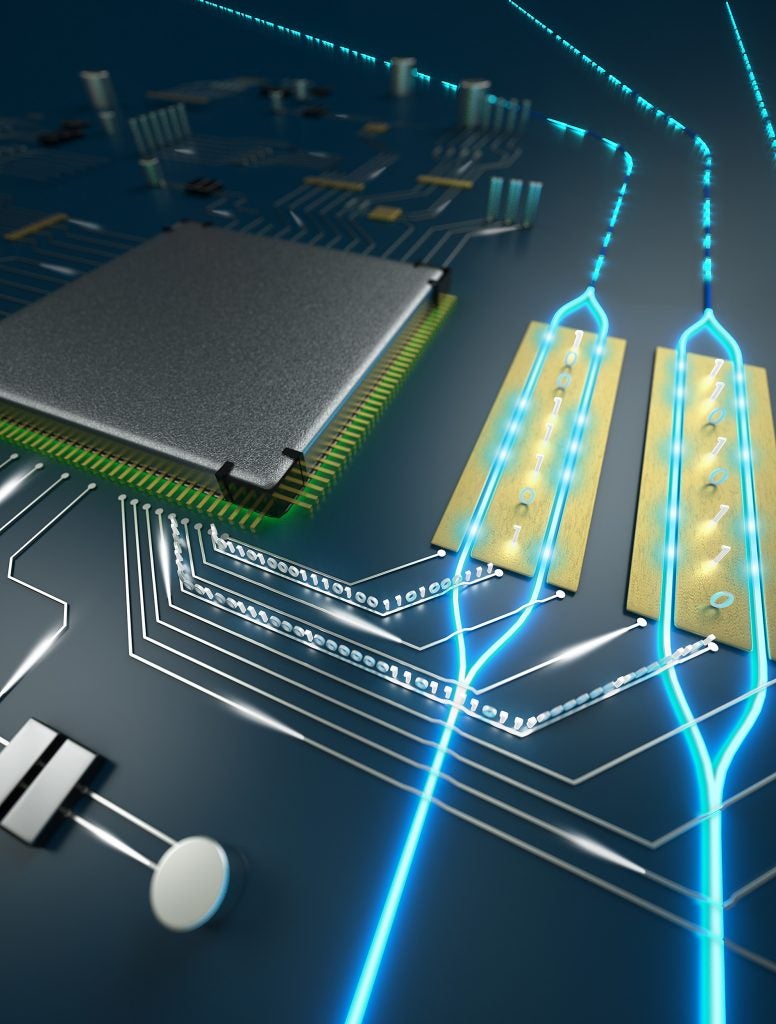
Fiber-optical networks, the backbone of the internet, rely on high-fidelity information conversion from electrical to the optical domain. The researchers combined the best optical material with innovative nanofabrication and design approaches, to realize, energy-efficient, high-speed, low-loss, electro-optic converters for quantum and classical communications.

“Building a vibrant community and ecosystem is essential for bringing the benefits of quantum research to different fields of science and society,” said Mikhail Lukin, George Vasmer Leverett Professor of Physics and co-director of HQI. “Quantum at Harvard aims to integrate unique strengths of university research groups, government labs, established companies, and startups to not only advance foundational quantum science and engineering but also to build and to enable broad access to practical quantum systems.”

To facilitate those collaborations, the University is finalizing plans for the comprehensive renovation of an existing campus building into a new quantum hub — a shared resource for the quantum community with instructional and research labs, seminar and workshop spaces, meeting spaces for students and faculty, and space for visiting researchers and collaborators. The quantum headquarters will integrate the educational, research, and translational aspects of the diverse field of quantum science and engineering in an architecturally cohesive way.

This critical element of Harvard’s quantum strategy was made possible by a generous gift from Stacey L. and David E. Goel ’93 and gifts from several other alumni who stepped forward to support HQI. David Goel, co-founder and managing general partner of Waltham, Mass.-based Matrix Capital Management Co. and one of Harvard’s most ardent supporters, said his gift was inspired both by recognizing Harvard’s “intellectual dynamism and leadership in quantum” and a sense of the utmost urgency to pursue opportunities in this field. “Our existing technologies are reaching the limit of their capacity and cannot drive the innovation we need for the future, specifically in areas like semiconductors, technology, and the life sciences. Quantum is an enabler, providing a multiplier effect on a logarithmic scale. It is a catalyst that drives the kinds of scientific revolutions and epoch-making paradigm shifts.”

Harvard launches new Ph.D. program in quantum science

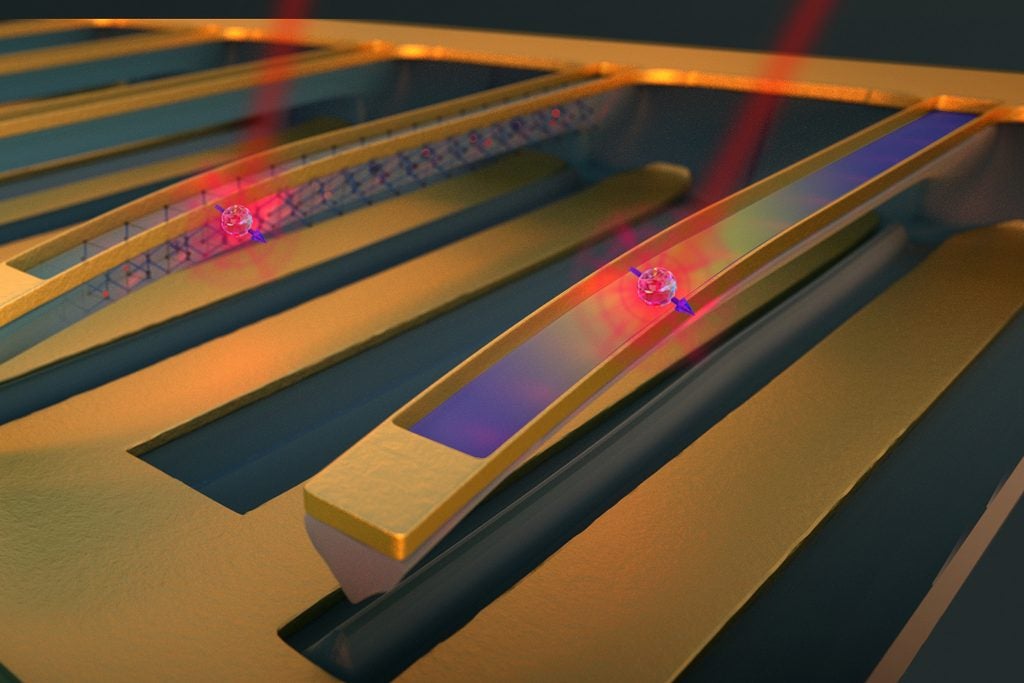
Electrodes stretch diamond strings to increase the frequency of atomic vibrations to which an electron is sensitive, just like tightening a guitar string increases the frequency or pitch of the string. The tension quiets a qubit’s environment and improves memory from tens to several hundred nanoseconds, enough time to do many operations on a quantum chip.

Goel credits the academic leaders and their “commitment to ensuring that Harvard’s community will be at the forefront of the science that is already changing the world.”

The University is also building partnerships with industry partners, ranging from startups to major national corporations, that are preparing to bring quantum technologies to the public.

“An incredible foundation has been laid in quantum at Harvard, and we are now at an inflection point to accelerate that activity and build on the momentum that has already made Harvard a leader in the field,” said Frank Doyle, SEAS dean and John A. and Elizabeth S. Armstrong Professor of Engineering and Applied Sciences. “Research happening right now in Harvard labs is significantly advancing our understanding of quantum science and engineering and positioning us to make breathtaking new discoveries and industry-leading translation breakthroughs.”

To enable opportunities to move from basic to applied research to translating ideas into products, Doyle described a vision for “integrated partnerships where we invite partners from the private sector to be embedded on the campus to learn from the researchers in our labs and where our faculty connect to the private sector and national labs to learn about the cutting-edge applications, as well as help translate of basic research into useful tools for society.”

 “We are at the early stages of a technological transformation, similar or maybe even grander than the excitement and the promise that came with the birth of computer science — and Harvard is at the forefront,” Stubbs said.


from ScienceBlog.com https://ift.tt/32RDZdF

African rock art treasures revealed in the Lovo Massif

African rock art treasures revealed in the Lovo Massif
Located in the north of the former African kingdom of Kongo, the Lovo Massif is home to a number of rock art sites with a history spanning several centuries. The French-Congolese Lovo mission is studying and listing them with the aim of learning more about rock art in central Africa, as well as protecting this little-known heritage.

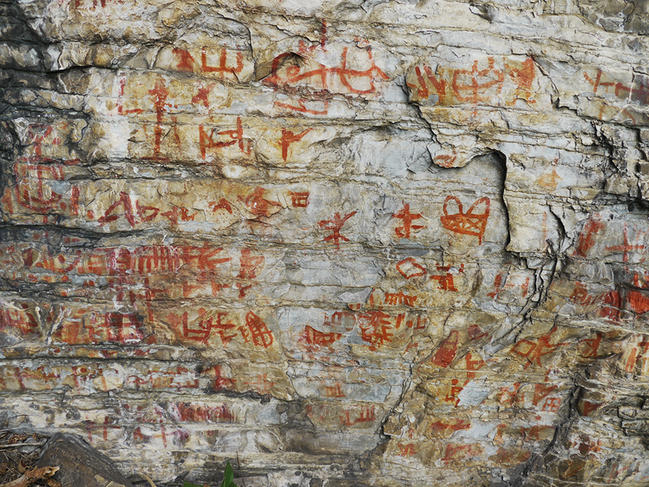
Seen from the air, the landscape is impressive. Vast limestone outcrops, looking for all the world like a ruined city emerging from the lush vegetation, stretch as far as the eye can see.  But it is deep down in the clefts between the crags that lie the rock art treasures of the Lovo Massif, in the far west of the Democratic Republic of the Congo (DRC): more than a hundred caves and rock faces adorned with geometrical shapes such as crosses, circles and grid patterns, together with lizards and antelopes, figures bearing arrows and guns, and mythical creatures whose origins remain a mystery.

For over ten years now, the archaeologist and historian Geoffroy Heimlich, a researcher affiliated to the African Worlds Institute (IMAF),1 and Clément Mambu Nsangathi, deputy chief curator at the institute of national museums of the Congo, IMNC, have been attempting to shed light on this exceptional rock art site. Initially held back by the difficulties of working in a country at war and by the challenges inherent to the terrain, the French-Congolese Lovo archaeological mission, headed by Heimlich, has now shifted into top gear and is doing everything it can to fill in the gaps in our knowledge of the site.

Datings spanning several centuries

The first point to be elucidated concerns the precise dating of the paintings. With help from the Musées de France research and restoration centre (C2RMF), Heimlich has shown that seven paintings can be directly related to the period between 1480 and 1800, thus providing evidence that they are contemporaneous with the Kongo kingdom. The latter, which extended as far as present-day Angola, reached its peak between the fifteenth and seventeenth centuries. Another dating carried out in the same mountain range reveals art from earlier times, between the seventh and ninth centuries.


African rock art treasures revealed in the Lovo Massif
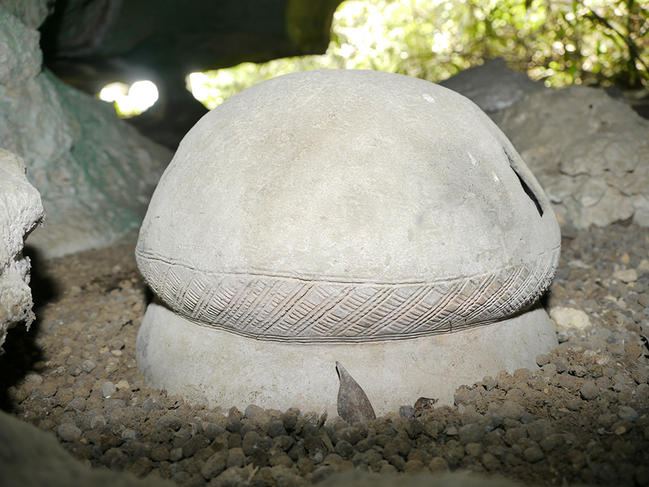
This piece of pottery, discovered in the Tovo cave, is dated to somewhere between the fifteenth and seventeenth centuries, making it possible to estimate the age of cave paintings containing similar designs.

This data will be supplemented with joint work by two researchers from the LSCE,2 the geophysicist Edwige Pons-Branchu, and Hélène Valladas, known in particular for her research into Palaeolithic rock art. The goal is to analyse samples of the thin film of calcite covering the red paintings, relying on both uranium-thorium and carbon-14 dating methods. The uranium-thorium technique is a recent development first used in archaeology some ten years ago, and is borrowed from climatology, where it helps to date stalagmites and corals. “The older the samples, the easier it is to date them, since the uranium that has decayed into thorium leaves more traces in the rock,” Pons-Branchu explains. This technically complex operation is performed using a plasma source mass spectrometer.

117 sites already identified

A second unknown quantity is the number of these sites, which are scattered over an immense, sparsely-populated region. The seven missions carried out between 2007 and 2019 identified 117 of them, of which over half were discovered by the French-Congolese team. This was only made possible with the help of the local population: paintings and engravings are hidden in river beds, at the foot of cliffs, and in hard-to-reach locations deep inside the rocks. “It can sometimes take up to half a day to clear a way through tall, dense vegetation to get to a cave or a site,” Heimlich says.


African rock art treasures revealed in the Lovo Massif
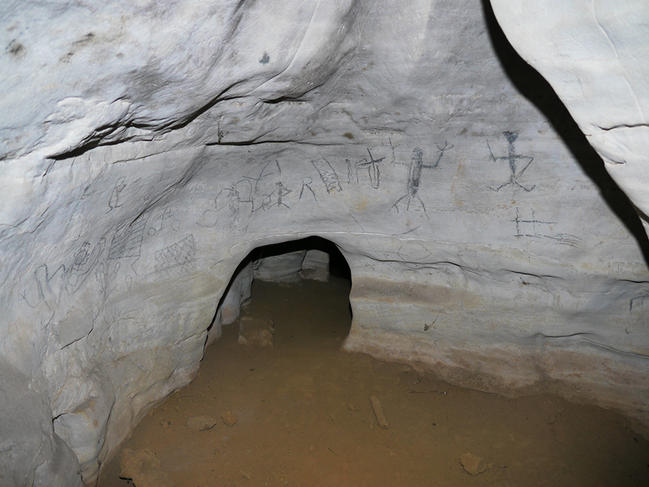
Decorated alcove in the painted cave of Nkamba.

The young scientist hopes to draw up an exhaustive inventory of these caves and sites, something that requires significant resources. Following an initial aerial photogrammetry survey in 2019, a second one, hopefully in the autumn of 2021, will complete the picture by covering the entire massif, an area of some 430 km2. Analysis of these images should make it possible to “understand how the rock art sites relate to the other identified archaeological places of interest, such as ancient villages, metalworking areas, and so on”, writes the researcher in a book published last February.3 By interpreting the data, the team should gain access to as yet unidentified sites. The most promising ones will be explored on foot, before archaeological surveys or even extensive excavations are carried out.

Sites partly used for religious ceremonies

A third mystery to be unravelled concerns the purpose of the sites. Heimlich is now convinced that the rock art “was a feature of the rituals of the Kongo kingdom, which had pre-Christian origins”.  The fact that the cross is frequently present in the paintings is highly significant in this regard. “At the crossroads of Kongo and Christian religious traditions, (…) this symbol was equally important in both worlds,” writes the researcher, who believes it is “very likely” that at least some of the Lovo Massif’s rock art was related to ritual ceremonies such as the kimpasi.

The latter was held “when the community felt the need to remedy the ills afflicting it”. The main rite consisted in a religious initiation ceremony in which participants were designated to be put to death and then, possessed by the nkita spirits, brought back to life in the sacred chamber.


African rock art treasures revealed in the Lovo Massif
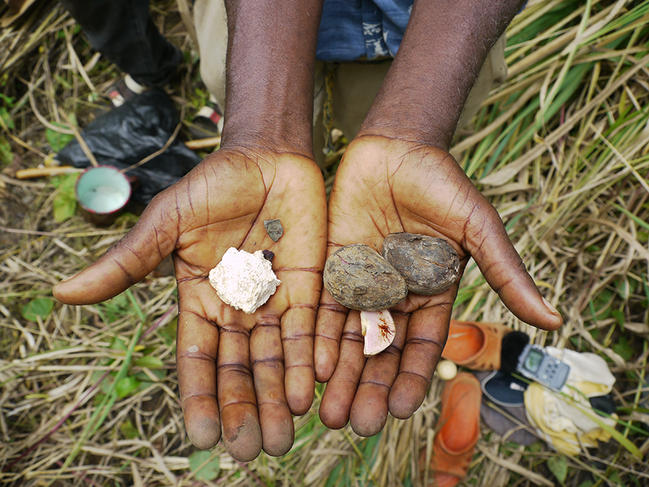
Palm wine, kola nuts, luzibu seeds (Allanblackia floribunda), and tondo medicinal mushrooms are ritually offered to the nkulu ancestors and to the simbi, local spirits, before entering the sites.

In this multi-faceted investigation, the archaeologist, whose many skills include combining different disciplines, wants to go further and interview tribal chiefs “in order to understand the links and interactions between the paintings, the myths, and the life of the Kongo people today”.

Although the picture is still incomplete, the data when put together perfects and even expands our knowledge of this part of the world, showing that rock art in central Africa, totally neglected by research in the past forty years, makes an important contribution to the continent’s history.

A heritage in danger

Could petroglyphs be a new source for historians of Africa? This, in any case, is Heimlich’s view, following in the footsteps of one of his mentors, Jean-Loïc Le Quellec, CNRS senior researcher emeritus. In a continent where rock art has been neglected for too long, this kind of work is valuable because it can “provide historians with first-rate information, in the same way as documented material and oral traditions”, Le Quellec believes.


African rock art treasures revealed in the Lovo Massif
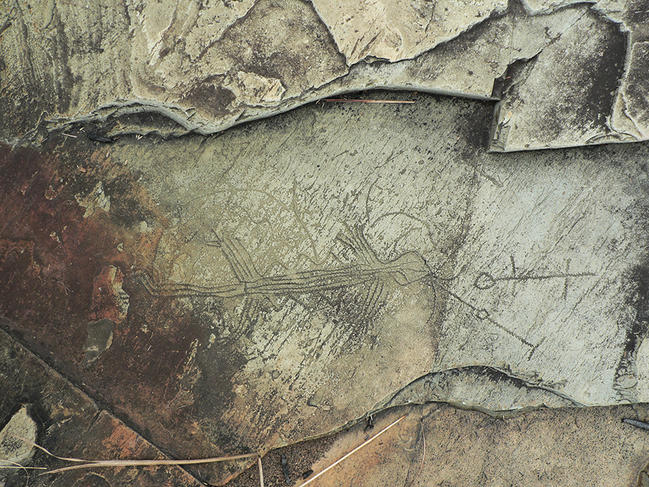
Engraved lizard-like shapes at the Fwakumbi site. The lizard is the most frequently depicted animal in the rock art of the Lovo Massif.

This heritage to be discovered also highlights the need for passing on knowledge. Given that the entire DRC has only one professional archaeologist, this is a huge challenge. In 2016, the first field operation supported by France’s Ministry for Europe and Foreign Affairs enabled Heimlich to train three young researchers from the IMNC and the University of Kinshasa as part of their post-graduate studies, with the Lovo Massif as their training ground. With help from the French Ministry of Culture, he also designed an accessible and stimulating e-learning module.4 A travelling exhibition, available online,5 of a selection from among the 5 700 photographs of rock art taken in the course of the various missions is due to be inaugurated in September at the National Museum of DRC in Kinshasa.

However, these efforts would be pointless without stringent protection of the sites.  Unfortunately, things seem to be moving in the opposite direction, since the region’s rich underground resources have whetted the appetite of the cement industry. And the destruction has already started. “We are extremely worried. The Mbafu cave at the village of Kiangu, for example, was completely destroyed by a company. If we aren’t careful, there is a risk that many others, perhaps all of them, will eventually be lost,” explains Professor Paul Bakua-Lufu Badibanga, the director general of the IMNC, an institution fully committed to the French-Congolese mission.


African rock art treasures revealed in the Lovo Massif
Wall decorated with red paintings at one of the Miangu sites.

The DRC is now banking on protection from UNESCO to protect this priceless heritage. The process is underway, with the very active assistance of the French-Congolese mission.

A World Heritage listing would also correct an imbalance. Although at first sight, listed sites appear to be fairly well disseminated throughout Africa, Le Quellec took a closer look at their distribution, which “reveals a surprising contradiction”, he says. It turns out that those related to natural heritage are concentrated in the eastern-central region of the continent, while cultural sites are mainly found in North Africa. Wide-ranging research like that carried out by Heimlich should help to redress the balance.

Footnotes
  • 1.CNRS / Université Paris 1 Panthéon Sorbonne / IRD / EHESS / Aix-Marseille Université. Geoffroy Heimlich is also a visiting researcher at the Local Heritage, Environment and Globalisation Joint Research Unit (PALOC – IRD / MNHN), and at the Rock Art Research Institute at the University of the Witwatersrand, Johannesburg (South Africa).
  • 2.Laboratoire des Sciences du Climat et de l’Environnement (CNRS / CEA / UVSQ / IPSL).
  • 3.Art rupestre et patrimoine mondial en Afrique subsaharienne (“Rock art and world heritage in sub-Saharan Africa” – in French), Geoffroy Heimlich (coord.), Hémisphères / Maisonneuve & Larose Ed., coll. “Patrimoines africains”, February 2021, 322 p.
  • 4.https://www.e-patrimoines.org/patrimoine/module-14-arts-rupestres-en-afr…
  • 5.https://exposition-lovo.com


from ScienceBlog.com https://ift.tt/2PvE2sC

Featured Post

Show your sources: building verifiable, citable AI agents with MCP

Model Context Protocol (MCP) is an open standard which connects LLMs with external systems. We discuss how new Dimensions and Altmetric MCP...

Popular