Scientists find a genetic cause of lupus

An international team of researchers has identified DNA mutations in a gene that senses viral RNA, as a cause of the autoimmune disease lupus, with the finding paving the way for the development of new treatments.

Lupus is a chronic autoimmune disease which causes inflammation in organs and joints, affects movement and the skin, and causes fatigue. In severe cases, symptoms can be debilitating and complications can be fatal.

There is no cure for the disease, which affects around 50,000 people in the UK, and current treatments are predominantly immune-suppressors which work by dialling down the immune system to alleviate symptoms.

In their study, published in Nature today (27 April), the scientists carried out whole genome sequencing on the DNA of a Spanish child named Gabriela, who was diagnosed with severe lupus when she was 7 years old. Such a severe case with early onset of symptoms is rare and indicates a single genetic cause.

In their genetic analysis, carried out at the Centre for Personalised Immunology at the Australian National University, the researchers found a single point mutation in the TLR7 gene. Via referrals from the US and the China Australia Centre of Personalised Immunology (CACPI) at Shanghai Renji Hospital, they identified other cases of severe lupus where this gene was also mutated.

To confirm that the mutation causes lupus, the team used CRISPR gene-editing to introduce it into mice. These mice went on to develop the disease and showed similar symptoms, providing evidence that the TLR7 mutation was the cause. The mouse model and the mutation were both named ‘kika’ by Gabriela, the young girl central to this discovery.

Carola Vinuesa, senior author and principal investigator at the Centre for Personalised Immunology in Australia, co-director of CACPI, and now group leader at the Crick says: “It has been a huge challenge to find effective treatments for lupus, and the immune-suppressors currently being used can have serious side effects and leave patients more susceptible to infection. There has only been a single new treatment approved by the FDA in about the last 60 years.

“This is the first time a TLR7 mutation has been shown to cause lupus, providing clear evidence of one way this disease can arise”.

Professor Nan Shen, co-director of CACPI adds: “While it may only be a small number of people with lupus who have variants in TLR7 itself, we do know that many patients have signs of overactivity in the TLR7 pathway. By confirming a causal link between the gene mutation and the disease, we can start to search for more effective treatments.”

The mutation the researchers identified causes the TLR7 protein to bind more easily to a nucleic acid component called guanosine and become more active. This increases the sensitivity of the immune cell, making it more likely to incorrectly identify healthy tissue as foreign or damaged and mount an attack against it.

Interestingly, other studies have shown mutations that cause TLR7 to become less active are associated with some cases of severe COVID-19 infection, highlighting the delicate balance of a healthy immune system.*

The work may also help explain why lupus is about 10 times more frequent in females than in males. As TLR7 sits on the X chromosome, females have two copies of the gene while males have one. Usually, in females one of the X chromosomes is inactive, but in this section of the chromosome, silencing of the second copy is often incomplete. This means females with a mutation in this gene can have two functioning copies.

Dr Carmen de Lucas Collantes, a co-author of this study says: “Identification of TLR7 as the cause of lupus in this unusually severe case ended a diagnostic odyssey and brings hope for more targeted therapies for Gabriela and other lupus patients likely to benefit from this discovery”.

Gabriela, who remains in touch with the research team and is now a teenager, says: “I hope this finding will give hope to people with lupus and make them feel they are not alone in fighting this battle. Hopefully the research can continue and end up in a specific treatment that can benefit so many lupus warriors who suffer from this disease.”

The researchers are now working with pharmaceutical companies to explore the development of, or the repurposing of existing treatments, which target the TLR7 gene. And they hope that targeting this gene could also help patients with related conditions.

Carola adds: “There are other systemic autoimmune diseases, like rheumatoid arthritis and dermatomyositis, which fit within the same broad family as lupus. TLR7 may also play a role in these conditions.”

Carola has started a new laboratory at the Francis Crick Institute to further understand the disease-causing mechanisms that occur downstream of key mutations like the one found on the TLR7 gene.


from ScienceBlog.com https://ift.tt/UcekpT1

Machine learning, harnessed to extreme computing, aids fusion energy development

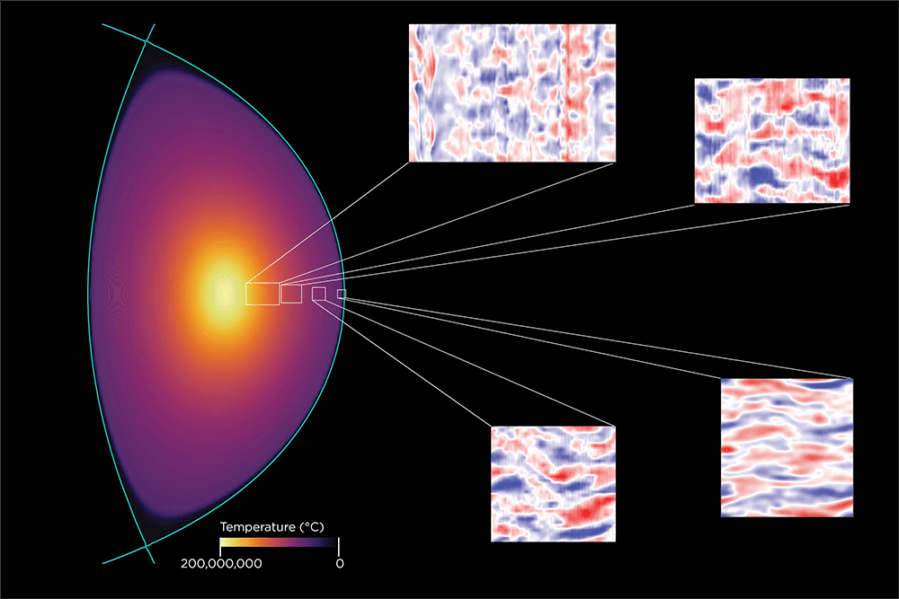
MIT research scientists Pablo Rodriguez-Fernandez and Nathan Howard have just completed one of the most demanding calculations in fusion science — predicting the temperature and density profiles of a magnetically confined plasma via first-principles simulation of plasma turbulence. Solving this problem by brute force is beyond the capabilities of even the most advanced supercomputers. Instead, the researchers used an optimization methodology developed for machine learning to dramatically reduce the CPU time required while maintaining the accuracy of the solution.

Fusion energy

Fusion offers the promise of unlimited, carbon-free energy through the same physical process that powers the sun and the stars. It requires heating the fuel to temperatures above 100 million degrees, well above the point where the electrons are stripped from their atoms, creating a form of matter called plasma. On Earth, researchers use strong magnetic fields to isolate and insulate the hot plasma from ordinary matter. The stronger the magnetic field, the better the quality of the insulation that it provides.

Rodriguez-Fernandez and Howard have focused on predicting the performance expected in the SPARC device, a compact, high-magnetic-field fusion experiment, currently under construction by the MIT spin-out company Commonwealth Fusion Systems (CFS) and researchers from MIT’s Plasma Science and Fusion Center. While the calculation required an extraordinary amount of computer time, over 8 million CPU-hours, what was remarkable was not how much time was used, but how little, given the daunting computational challenge.

The computational challenge of fusion energy

Turbulence, which is the mechanism for most of the heat loss in a confined plasma, is one of the science’s grand challenges and the greatest problem remaining in classical physics. The equations that govern fusion plasmas are well known, but analytic solutions are not possible in the regimes of interest, where nonlinearities are important and solutions encompass an enormous range of spatial and temporal scales. Scientists resort to solving the equations by numerical simulation on computers. It is no accident that fusion researchers have been pioneers in computational physics for the last 50 years.

One of the fundamental problems for researchers is reliably predicting plasma temperature and density given only the magnetic field configuration and the externally applied input power. In confinement devices like SPARC, the external power and the heat input from the fusion process are lost through turbulence in the plasma. The turbulence itself is driven by the difference in the extremely high temperature of the plasma core and the relatively cool temperatures of the plasma edge (merely a few million degrees). Predicting the performance of a self-heated fusion plasma therefore requires a calculation of the power balance between the fusion power input and the losses due to turbulence.

These calculations generally start by assuming plasma temperature and density profiles at a particular location, then computing the heat transported locally by turbulence. However, a useful prediction requires a self-consistent calculation of the profiles across the entire plasma, which includes both the heat input and turbulent losses. Directly solving this problem is beyond the capabilities of any existing computer, so researchers have developed an approach that stitches the profiles together from a series of demanding but tractable local calculations. This method works, but since the heat and particle fluxes depend on multiple parameters, the calculations can be very slow to converge.

However, techniques emerging from the field of machine learning are well suited to optimize just such a calculation. Starting with a set of computationally intensive local calculations run with the full-physics, first-principles CGYRO code (provided by a team from General Atomics led by Jeff Candy) Rodriguez-Fernandez and Howard fit a surrogate mathematical model, which was used to explore and optimize a search within the parameter space. The results of the optimization were compared to the exact calculations at each optimum point, and the system was iterated to a desired level of accuracy. The researchers estimate that the technique reduced the number of runs of the CGYRO code by a factor of four.

New approach increases confidence in predictions

This work, described in a recent publication in the journal Nuclear Fusion, is the highest fidelity calculation ever made of the core of a fusion plasma. It refines and confirms predictions made with less demanding models. Professor Jonathan Citrin, of the Eindhoven University of Technology and leader of the fusion modeling group for DIFFER, the Dutch Institute for Fundamental Energy Research, commented: “The work significantly accelerates our capabilities in more routinely performing ultra-high-fidelity tokamak scenario prediction. This algorithm can help provide the ultimate validation test of machine design or scenario optimization carried out with faster, more reduced modeling, greatly increasing our confidence in the outcomes.” 

In addition to increasing confidence in the fusion performance of the SPARC experiment, this technique provides a roadmap to check and calibrate reduced physics models, which run with a small fraction of the computational power. Such models, cross-checked against the results generated from turbulence simulations, will provide a reliable prediction before each SPARC discharge, helping to guide experimental campaigns and improving the scientific exploitation of the device. It can also be used to tweak and improve even simple data-driven models, which run extremely quickly, allowing researchers to sift through enormous parameter ranges to narrow down possible experiments or possible future machines.

The research was funded by CFS, with computational support from the National Energy Research Scientific Computing Center, a U.S. Department of Energy Office of Science User Facility.


from ScienceBlog.com https://ift.tt/Mw5GY4D

Six new species of tiny frog discovered in Mexico

“Until now these new species have gone unnoticed because they’re small and brown and look really similar to other frogs” Tom Jameson, a researcher at the University of Cambridge’s Department of Zoology and University Museum of Zoology, who led the study.

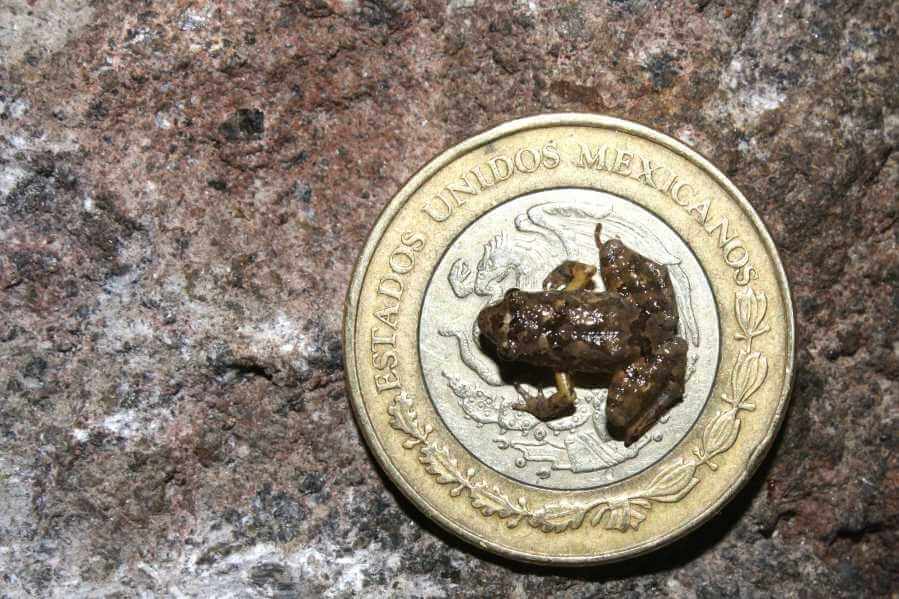
Scientists have discovered six new species of frog the size of a thumbnail in the forests of Mexico, with one earning the distinction of Mexico’s smallest frog.

All six species are smaller than a British 1p coin – around 15mm long – when fully grown. Adult males of the tiniest of these species, named Craugastor candelariensis, grow to only 13mm.

“Until now these new species have gone unnoticed because they’re small and brown and look really similar to other frogs”

Tom Jameson, a researcher at the University of Cambridge’s Department of Zoology and University Museum of Zoology, who led the study.

“Their lifestyle is utterly fascinating,” adds Jameson. “These frogs live in the dark, humid leaf litter of the forests, which is like a secret world – we don’t really know anything about what goes on there. We don’t understand their behaviour, how they socialise, or how they breed.”

The newly discovered species are known as ‘direct-developing’ frogs: rather than hatching from eggs into tadpoles like most frogs, they emerge from the eggs as perfect miniature frogs. And they’re so small that they’re right at the bottom of the forest food chain.

“With millions of these frogs living in the leaf litter, we think they’re likely to play a hugely important role in the ecosystem as a source of food for everything else, from lizards to predatory birds,” says Jameson.

The discovery, by researchers at the University of Cambridge, London’s Natural History Museum, and the University of Texas at Arlington, is published this month in the journal Herpetological Monographs.

The study involved gathering almost 500 frog specimens from museums around the world, which had been collected in Mexico, and using new methods to categorise the relationships between them.

“Frogs are an absolutely fascinating group of animals. I spent many, many hours with magnifying glasses clipped onto my glasses trying to understand the differences between them,” says Jameson.

Using DNA sequencing, the team sorted the frogs into groups based on how similar their genes were. Then CT-scanning was used to create 3D models of the frogs’ skeletons, so that physical details could be compared. These two very different lines of evidence revealed six new species of frog.

“We’re really excited to have discovered six new Craugastor species that are completely new to science”

says Jameson, adding: “Frogs in the group known as Craugastor are very difficult to tell apart, so scientists have long suspected that more species may exist.”

The new species have been named Craugastor bitonium, Craugastor candelariensis, Craugastor cueyatl, Craugastor polaclavus, Craugastor portilloensis, and Craugastor rubinus.

Jameson is particularly pleased with the name cueyatl – it means ‘frog’ in the indigenous language, Nahuatl, spoken in the Valley of Mexico where this species was found.

“We chose the name cueyatl to honour the rich human history of the Valley of Mexico, and the local people who have probably known these frogs far longer than we have,” he says.

The team think the smallest of the six new species is Craugastor candelariensis, which grows to just 13mm long. They did find some specimens of Craugastor portilloensis that were smaller, but couldn’t be sure that these were fully grown adults.

But whichever of these species holds the new title of Mexico’s tiniest frog hasn’t quite taken the world title. Adult males of Paedophryne amanuensis, a frog from Papua New Guinea, are even smaller – they don’t even reach 8mm.

Known as ‘micro-endemics’, some of the newly discovered frogs may occur only in one small area, such as a hilltop in a certain part of Mexico. This makes them incredibly vulnerable.

“These frogs potentially play a really important role in the forest ecosystem,” says Jameson. “We need to make sure that they don’t just get wiped off the map because no-one even knows they’re there.”

He thinks there are probably many more species of Craugastor frog still to be discovered, simply because nobody has had a chance to look for them yet.

“We’ve looked at the maps of where the original expeditions went looking for frogs in Mexico, and found whole valleys and river systems where nobody went,” he says.

“Because the tiny frogs live in tiny areas we can be pretty confident there’s a whole bunch of other undiscovered species there – all we have to do is go and find them.”

“We named Craugastor rubinus after the garnet mines in the hillside where they’re found,” says Jameson. “Sadly, it will only take the expansion of one mine and these frogs could be gone.”

Habitat loss can also result from climate change. And the frogs are threatened by a deadly fungal disease, chytridiomycosis, that’s wiping out amphibian populations across the world.

But the researchers are hopeful that there’s a future for their tiny frogs. They have identified key protected areas throughout Mexico where the six new species live – and now hope to work with the government and NGOs in Mexico to connect these areas together.


from ScienceBlog.com https://ift.tt/i5J4p6z

A prehistoric forest grows in Brunei

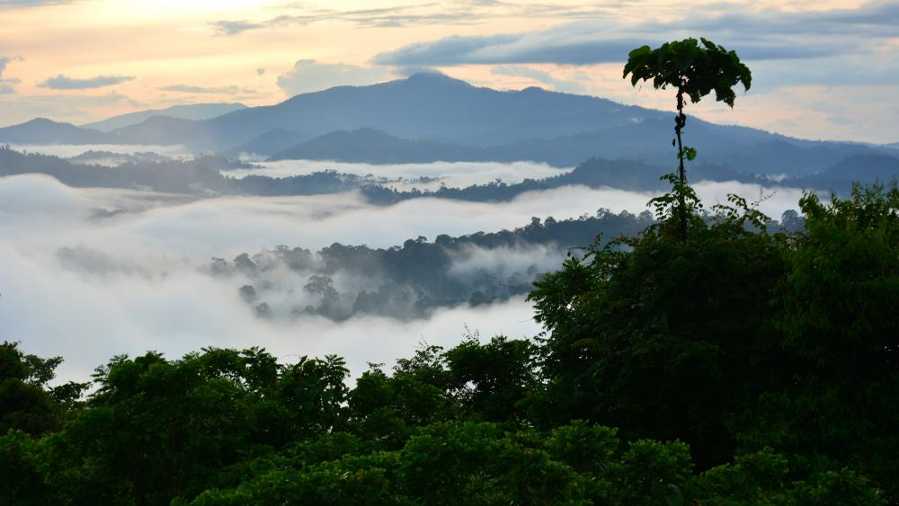
Borneo's endangered rainforests are biodiversity hotspots that have existed for at least four million years, according to a new leaf fossil study led by Peter Wilf. Credit: Adobe Stock. All Rights Reserved.

First leaf fossil study of Borneo’s rainforest reveals current ecosystem is ancient

The first study of leaf fossils conducted in the nation of Brunei on the island of Borneo has revealed that the current dominant tree group, the dipterocarps, has dominated the rainforests for at least four million years, according to an international research team led by Penn State in partnership with Universiti Brunei Darussalam. The findings, published in the journal PeerJ, suggest that the current landscape is similar to what was present during the Pliocene Epoch, 5.3 to 2.6 million years ago, and may provide additional justification for conservation of these forests that support many critically endangered species.

“This is the first demonstration that the characteristic dominant life form of Borneo and the entire Asian wet tropics, the dipterocarp trees, was not only present but actually dominant. We found many more fossils of dipterocarps than any other plant group,” said Wilf, a professor of geosciences in the College Earth and Mineral Sciences and a cofunded faculty member in the Institutes of Energy and the Environment (IEE).

The dipterocarps are the world’s tallest tropical trees, and the largest of them can reach 100 meters (328 feet) in height, approximately the height of a 22-story building.

Wilf said the dipterocarps include hundreds of keystone species that support tropical Asia’s critically endangered biodiversity by structuring rainforests and providing enormous food resources through pollination and their nutritious seeds. Borneo has almost 270 dipterocarp species, more than half the world’s total.

“Fossil leaves in the wet tropics are very rare because of extensive forest cover and deeply weathered soils that obscure rock exposures,” Wilf said.

Past studies of the island’s plant life generally involved fossil pollen, which is very resistant to decay. However, because dipterocarp pollen often does not preserve well, that data does not provide complete information on ancient plant landscapes in the Asian tropics, according to Wilf. This study provided ample fossil evidence from both leaves and pollen, at two sites that the team discovered after intensive reconnaissance in Brunei, that supports the idea that the current landscape’s diverse, well-structured vegetation is similar to what was present during the Pliocene Epoch, 5.3 to 2.6 million years ago.

“From the same rocks that the dipterocarp leaf fossils are coming from in great numbers, there’s hardly any dipterocarp pollen,” he said. “The pollen and spores represent many other plant groups, including huge numbers of ferns, but barely any dipterocarps. So that validates the idea that there’s a bias against the dipterocarp pollen.”

Ferry Slik, a professor at the Universiti Brunei Darussalam who studies tropical forest ecology and is a co-author on the paper, said this is an extremely important study of the country’s fossil flora.

“There are very few fossil studies from the Asian tropics,” Slik said. “I hope this study will stimulate more research efforts on fossils in the tropics as they will tell us a lot about the natural history of the region.”

Wilf and his team unearthed a wide variety of fossil leaves and fruits, including many plant groups that are native today but had not been found before as fossils in the Malay Archipelago. These included three different genera of dipterocarps, such as Dryobalanops, whose species are nearly all threatened; understory plants such as the jujube Ziziphus and melastomes; and a climbing aroid plant, Rhaphidophora, that is related to the popular house plant Monstera.

Slik said the team reconstructed an ancient ecosystem almost exactly like what is found in Brunei today.

Ferry Slik, a professor at the Universiti Brunei Darussalam who studies tropical forest ecology and is a co-author on the paper, said this is an extremely important study of the country’s fossil flora.

“There are very few fossil studies from the Asian tropics,” Slik said. “I hope this study will stimulate more research efforts on fossils in the tropics as they will tell us a lot about the natural history of the region.”

Wilf and his team unearthed a wide variety of fossil leaves and fruits, including many plant groups that are native today but had not been found before as fossils in the Malay Archipelago. These included three different genera of dipterocarps, such as Dryobalanops, whose species are nearly all threatened; understory plants such as the jujube Ziziphus and melastomes; and a climbing aroid plant, Rhaphidophora, that is related to the popular house plant Monstera.

Slik said the team reconstructed an ancient ecosystem almost exactly like what is found in Brunei today.

Wilf said one of the motivations for doing this study was to encourage conservation of these areas.

“The tropical rainforests are where biodiversity is. Brunei is about the size of Delaware, but it has more than seven times the plant diversity of all of Pennsylvania,” he said. “This area has an ever-wet climate similar to the Amazon or the central African rainforests. It is home to spectacular animal life such as proboscis monkeys, crocodiles, rhinoceros hornbills, clouded leopards, sun bears, flying lizards, bearded pigs and slow lorises.”

Although Borneo is one of the great biodiversity hotspots on Earth and its rainforests are ancient, its biodiversity is shrinking due to logging, agricultural conversion, and climate change.

The dipterocarp trees are highly sought after by the logging industry, and Borneo suffers from high deforestation rates, said Slik, who is working to improve Asia’s tropical ecosystems.

“Borneo, and much of the Asian rainforests, are ground zero of the biodiversity crisis,” Wilf said. “However, Brunei is a jewel in the system because it is one of very few countries in the region that still preserves more than half of its old growth rainforests.”
According to Wilf, each paleontological discovery highlights the importance of history and provides foundational support for setting up conservation areas and educating the public.

“If a living group has a known paleo history, it has added preservation and educational value, and it’s less likely to be destroyed,” he said. “Paleontology provides the primary evidence for how and why life on Earth is distributed the way it is and when different groups of plants and animals arrived.”

This project started as a 2015 IEE seed grant for Wilf’s project titled “Paleobotanical and Genomic Biogeography of Living-Fossil Gondwanan Trees in SE Asian Rainforests: Informing Biodiversity and Watershed Conservation in the Face of Climate Change and Deforestation.” Later funding came from the National Science Foundation and Universiti Brunei Darussalam.

In addition to Wilf and Slik, authors include Penn State graduates Xiaoyu Zou, who completed his senior thesis on the Brunei fossil leaves in tandem with this paper, and former doctoral student Michael Donovan, who now works at the Cleveland Museum of Natural History. Other authors include László Kocsis, University of Lausanne; Antonino Briguglio, Università degli Studi di Genova; David Shaw, Biostratigraphic Associates (UK) Ltd; and Joseph Lambiase, Lambiase Geoscience.


from ScienceBlog.com https://ift.tt/E1nf4bG

Moderate exercise improves immune response in breast cancer survivors

The study suggests there is a health upside for breast cancer survivors, in terms of strengthening natural immunity, to engaging in moderate exercise such as a daily walk.

A new study in breast cancer survivors has found that chemotherapy, while a critical part of breast cancer therapy, may also have some lasting dampening effects on natural immunity, but moderate fitness improvements can offer some protection against this effect.

Ohio State University researchers assessed participants’ immune response to a typhoid vaccine, which was used in the study to stimulate the immune system in the same way unfamiliar disease-causing bacteria or viruses do.

The study measured same-day changes in inflammatory proteins and white blood cells that occurred during the women’s innate immune response – the first line of defense when an unrecognized substance invades the body. While all study participants produced the expected signs of inflammation after receiving the vaccine, three conditions led to a smaller response: previous chemo treatment, greater abdominal obesity, or belly fat, and a low fitness level.

The fitness-related findings, however, also showed that participants whose fitness level exceeded the average by just a bit – as measured by peak oxygen consumption during exercise – produced a significantly larger immune response.

“As a group, breast cancer survivors, on average, have a lower level of fitness than their peers. In this study, women representing the average were in a low fitness category. Even within this group, moderate differences in fitness were associated with a better vaccine response,” said lead author Janice Kiecolt-Glaser, director of the Institute for Behavioral Medicine Research (IBMR), professor of psychiatry in the College of Medicine and a member of the Comprehensive Cancer Center at Ohio State.

“It’s important to tell breast cancer survivors, and others, that this doesn’t mean you have to be at an Arnold Schwarzenegger level of fitness to benefit innate immunity. Relatively mild fitness can make a difference in response to a vaccine, and probably in response to an infection in real life.”

The research is published in the journal Brain, Behavior, and Immunity.

Of the 158 postmenopausal participants, 108 had received chemo treatment between one and 10 years before the study began. Researchers assessed the women for central obesity based on abdominal fat composition and cardiorespiratory fitness level based on their maximum oxygen consumption while riding a stationary bike.

The uniform dose of the typhoid vaccine functioned as a model immune challenge, Kiecolt-Glaser said, which offered a window into how breast cancer survivors’ innate immunity would respond to a viral or bacterial pathogen. Participants received either the vaccine or placebo over the course of two visits – as expected, the vaccine produced a significantly higher inflammatory response than the placebo.

To gauge the participants’ natural immune response in the 7 1/2 hours after vaccination, researchers measured levels of two pro-inflammatory proteins, IL-6 and IL-1Ra, and white blood cells in blood draws taken every 90 minutes and compared them to pre-vaccination levels.

“We are born with innate immunity. As soon as you inject something that’s foreign, you’re going to stimulate these responses,” said study co-author John Sheridan, associate director of the IBMR and professor of biosciences in Ohio State’s College of Dentistry. “You need that inflammatory response, which is associated with immediate protection, to ultimately generate the other forms of the adaptive immune response.

“Anything that knocks down the early proinflammatory response puts you at risk for delayed development of adaptive immunity.”

The adaptive immune response is specific to invading pathogens and is carried out by neutralizing antibodies and specialized white blood cells called T cells and B cells.

After controlling for participants’ baseline differences in inflammatory markers, the results showed past chemo treatment, greater abdominal obesity and lower fitness were associated with lower IL-6 and white blood cell responses. Prior chemo had the strongest effect – generating 44% and 35% lower levels of IL-6 and white blood cells, respectively, than levels produced by participants who did not receive chemo. This effect was consistent, regardless of how long ago the women had undergone treatment

More promising, however, were results showing that a fitness level just slightly above the average increased IL-6 and the white blood cell count by at least 33%.

Kiecolt-Glaser said the study has important public health implications: greater awareness that innate immunity against infections may be reduced in breast cancer survivors even 10 years out from chemo treatment, and the health upside for just about anybody of engaging in a daily walk – or even sitting less.

“The paper gives us more data in terms of why cancer survivors may have additional risks,” she said. “And the findings send a clear message of just how important physical activity and minimizing belly fat is for robust immune function among breast cancer survivors, and particularly for those who received chemotherapy.”

Kiecolt-Glaser also said that routine vaccinations, as recommended by a physician, are important for maximizing protective immunity in breast cancer survivors.

“Chemotherapy is life-saving for so many breast cancer patients, but there is a trade-off with some long-term side effects,” said Dr. Peter Shields, deputy director of the Comprehensive Cancer Center. “While we do not know if the immune effects in this study translate to actual later illness, exercise is an important antidote.”

This study was funded by the National Cancer Institute.


from ScienceBlog.com https://ift.tt/MEk7q81

Microbial Response to a Changing and Fire-Prone Arctic Ecosystem

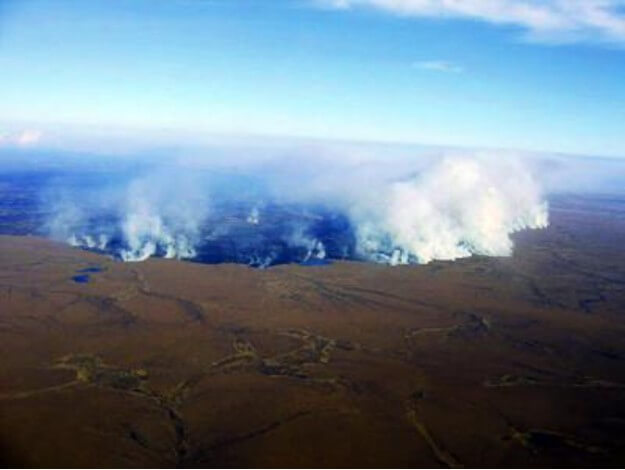
Burning more than 1,000 square kilometers of tundra on Alaska’s North Slope, the 2007 Anaktuvuk river wildfire is one of the largest fires to occur within Arctic ecosystems. Berkeley Lab scientist Nick Bouskill led a study that used data from this disturbance event to predict ecosystem recovery as fires advance in a changing climate. (Credit: Bureau of Land Management)

Greenhouse gas emissions from human activities have caused Earth’s climate to change – and in Arctic regions, air temperatures are warming twice as fast as the global average. Permanently frozen Arctic soils located in tundra ecosystems store approximately twice the amount of carbon currently in the atmosphere. This frozen organic matter is thawing, thus increasing microbial decomposition, which releases carbon dioxide to the atmosphere. Arctic climate change can also lead to more droughts, lower air moisture, and more lightning – all factors that can increase the frequency and intensity of wildfires.

A recent study led by Berkeley Lab scientist Nick Bouskill sought to improve what is known about how these Arctic systems respond to wildfire. The Next Generation Ecosystem Experiments (NGEE) Arctic  project team used environmental modeling to evaluate how these environments recover from wildfires, and how nutrients available in these permafrost soils influence this recovery. Their work showed that over the first five years after the fire, faster-growing bacteria established colonies in areas of the soil that were previously occupied by slower-growing fungi. The study is described in a new paper published in the journal, Communications Earth and Environment.

Bouskill explained, “The onset of wildfire leads to the combustion and loss of carbon from soil and vegetation and the export of soil nutrients to waterways.” Thus, fires are a disturbance to the microbial community because they impact soil conditions. Microbial response to these wildfires can impact soil nutrient cycling, which can influence larger-scale ecosystem recovery.

Using a mathematical ecosystem model, the team simulated how soil carbon and nutrient cycles respond to wildfires in a changing climate, for example with increased temperature and atmospheric carbon dioxide. The model was applied to observations from the 2007 Anaktuvak river fire – one of the largest and most sampled wildfires within Arctic regions. Because of the demonstrated enhanced microbial growth and activity, more nutrients were released into the soil – which allows for better soil quality, and therefore faster recovery of soil carbon and plant communities. These post-fire conditions also encouraged shrubs to grow more rapidly than under warming conditions alone.

The model simulations show that soil nutrients released from microbial activity influence how tundra ecosystems recover from fires. This study advances predictions of how microbes and soil quality may change and respond to a rapidly warming and fire-prone Arctic environment.

NGEE Arctic is supported by the Department of Energy’s Office of Science.


from ScienceBlog.com https://ift.tt/rLAyWN6

Tracking radioactive barrels in the Atlantic

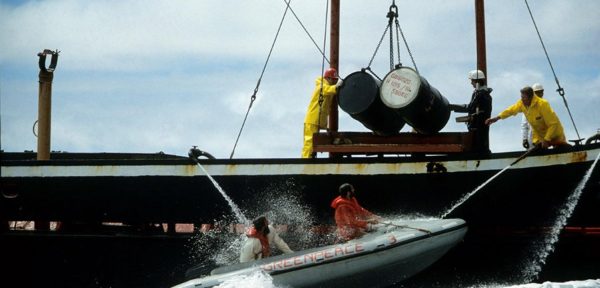
Disposal of barrels by the British vessel GEM during a Greenpeace protest in the North Atlantic in 1981.
Between the 1950s and 1990s, some 200,000 barrels of radioactive waste were dumped by European nations into the North East Atlantic. Scientists are set to assess the condition of the barrels today and study their effects on surrounding ecosystems.

Sadly, oceans have become the dumping ground for much of humanity’s refuse. Among the mass of plastics, heavy metals, fertilisers, and pesticides, thousands of tonnes of civilian and military radioactive waste litter the ocean. According to Patrick Chardon, expert in the effects of radioactivity on the environment at the LPC physics laboratory, “Nuclear power generated waste right from the start, and managing that waste became an issue from the word go. Thought back then to be devoid of life, deep ocean plains seemed a suitable disposal site. Located hundreds of kilometres from the coast at depths of more than 4,000 metres, they were far enough from any inhabited areas.” Since then, advances in our knowledge of the ocean floor have shown that deep ocean plains are by no means devoid of life. Concerns about the effects of radioactive waste on the ecosystem have prompted two French-led studies scheduled for 2023-2024.

36 petabecquerels of waste on the ocean floor

Between 1946, when the United States first began dumping radioactive waste into the ocean, and the early 1990s, when the practice ended, hundreds of thousands of barrels were disposed of in the waters. “European nations put their waste in the North East Atlantic, representing more than 200,000 200-litre metal barrels filled with radioactive waste, mixed with bitumen or concrete in order to resist the impact when hitting the water,” explains Chardon. Over 34 separate operations between 1949 and 1982, the UK submerged more than 140,000 barrels; Belgium disposed of some 55,000; and France dumped more than 46,000 during two operations carried out in 1967 and 1969. In those days, the disposal of waste in international waters, where no regulations apply, was not illegal. By the end of the 1960s however, the procedure was supervised by the International Atomic Energy Agency (IAEA). The latter delineated specific areas where disposal was allowed until the London Convention on the Prevention of Marine Pollution by Dumping of Wastes and Other Matter, ratified in 1975, instituted a moratorium and later a total ban on the practice.

“To the best of our knowledge, no fuel, and no high-level or long-lived waste were disposed of into the ocean. As far as we know, only materials such as gloves, lab equipment, and samples were submerged, all falling within the very-low-, low-, and intermediate-level waste,” Chardon points out. Nevertheless, this still adds up to a non-negligible 36 petabecquerels, about 300 times less than what was emitted during the Chernobyl accident, he reckons. “This type of waste contains different kinds of radionuclide, whose behaviour, toxicity and lifespan vary immensely.”

Some, such as Caesium-134 and Iron-55 have disappeared entirely by now. Others, including plutonium isotopes (Plutonium-238, 239, 240, 241, 242), have lifespans ranging from a few decades to more than 300,000 years. Tritium, despite its low toxicity (tritiated water waste from nuclear power plants is legally discharged into rivers) binds easily to organic living matter.

In fact, scientists have no idea of the residual radioactivity of the waste lying on the ocean floor, some disposed of seventy years ago. The distribution and the condition of the barrels on the seabed are also unknown. Despite the barrels’ relatively short 25-year shelf life and the commitments agreed to by signatory countries of the London Convention to scientifically monitor radioactive waste on a regular basis, only two missions were organised in the 1980s in the North East Atlantic (one conducted by the French Alternative Energies and Atomic Energy Commission CEA and maritime research organisation Ifremer). “Back then, six barrels were located by Ifremer and were in good condition, but no one knows in what state they are today”, adds Javier Escartín, marine geologist at the LG-ENS,2 who with Chardon will lead two oceanographic missions over the disposal areas.

Mapping the depths and locating the barrels

Some forty oceanographers, ecologists and radiochemists will take part in the month-long missions. “We will concentrate our search on two areas approximately 6,000 km2 in size and around 600 km off the French coast from the city of Nantes western France,” explains Escartín. The scientific missions will proceed in two stages. The first, expected in 2023-2024, will accurately map the seabed in both sectors and locate the barrels. “We do not have access to very detailed bathymetry (seabed depth and topography) of the zone and no information on the position of the barrels.” Samples from the surrounding water will help assess the general level of pollution in the area.

The second mission, expected a year later, will analyse radionuclides and their impact on the ecosystem. “We have many questions regarding the radionuclides. We want to know if they have escaped from the barrels and in what form. Do they move about? Have they spread about the water column? Are they toxic to living organisms?,” wonders Escartín.

Some radionuclides may have attached to sediment present on the sea floor which keeps them from drifting and limits their danger. Accessing their bioavailability is also crucial in understanding whether their chemical form can lead to their absorption by living organisms. Scientists will also study background radiation levels and distinguish between results caused by the submerged barrels and those originating from nuclear accidents, testing, and authorised liquid waste emissions from nuclear power plants.

Samples will also be taken from the ecosystems and sediments adjacent to the barrels. Micro-organisms, bivalve molluscs lying on the sea floor, and deep-sea fish will be studied for the effects of potential radioactivity. “Precautions will be taken on board to avoid contaminating the scientists and crew, but also the equipment used, such as the marine robots,” explains Chardon. “Samples will be stored in large vinyl bags placed in sealed containers to avoid all contamination.”

Deep-sea samples

Researchers will benefit from the latest technologies on board the Ifremer fleet, including the ultra-modern Ulyx autonomous underwater vehicle, able to reach depths of up to 6,000 metres. “Ulyx will take pictures of the barrels on the sea bed.” Samples will be collected by a remotely-operated device that will also take video imaging in order to produce highly-detailed 3D images of the barrels and their state of wear. “We will be totally transparent with the results”, says Escartín. “In addition to the usual scientific journals, all data from the mission will be made available to the public via a dedicated website.”

What will happen if scientists discover traces of radioactive leaks? “We will have a clear picture of the situation, enabling us to plan future monitoring,” adds Escartín.
As for Chardon, he hopes this knowledge will “guide companies in their choice of future energy sources and how they will use them”.


from ScienceBlog.com https://ift.tt/Z8Yy97a

Featured Post

Show your sources: building verifiable, citable AI agents with MCP

Model Context Protocol (MCP) is an open standard which connects LLMs with external systems. We discuss how new Dimensions and Altmetric MCP...

Popular