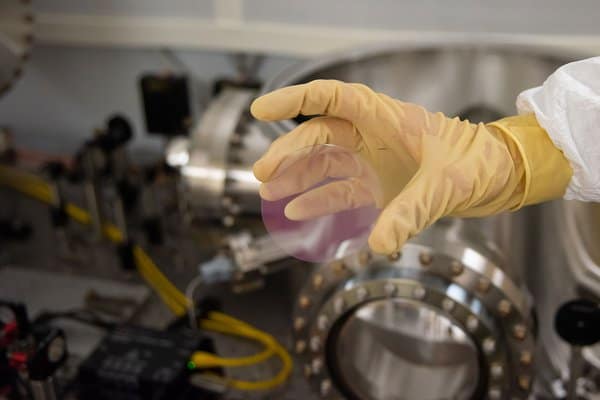
Plastic shopping bags release thousands of dissolved compounds in sunlight

Plastic shopping bags release thousands of dissolved compounds in sunlight

Although plastics are durable and strong, a little sunlight can split them apart into microscopic pieces and spur reactions, producing new molecules that can end up in the environment. But how the polymers and additives in these materials influence this process is a mystery. Now, researchers reporting in ACS’ Environmental Science & Technology show that additives in commercial shopping bags boost sunlight’s ability to convert these solid materials into thousands of dissolved compounds within days.

Once plastic pollution gets into the environment, its fate is still largely unknown, especially in aquatic ecosystems. Some of the plastic items, such as polyethylene shopping bags, float in water, which exposes them directly to the sun’s rays. Previous researchers have shown that the pure polymers commonly used to make these items produce water-soluble molecules and gases when placed in ultraviolet light, a component of sunlight. However, plastics in consumer goods aren’t pure; a variety of carbon-based organic additives and mineral additives are mixed in to give them color or make them more stable. So, Collin Ward and colleagues wanted to see exactly how the composition of single-use shopping bags influenced the dissolved compounds generated by sunlight over short periods.

With X-ray diffraction, the researchers examined four polyethylene plastic bags from big-box retailers and a pure polyethylene polymer film for mineral additives. No additives were identified in the pure polymer, but calcium carbonate and titanium dioxide were found in three of the bags, and only calcium carbonate was found in the fourth bag. Next, the researchers put pieces of the plastic bags and the polymer into separate containers with water, and then in the dark or under simulated daylight for up to a week. Some water-soluble compounds were released from the different pieces in the dark. But in sunlight, more compounds were released, ranging from 5,000 to 15,000 dissolved compounds, which equates to 1.1-fold to 50-fold increases over the number of compounds released in the dark. Of the approximately 9,000 molecules generated by the pure polymer when exposed to sunlight, only about a quarter overlapped with those from the bags. Based on these results, the researchers say that sunlight’s reactions with solid plastics can transform them into a plethora of water-soluble compounds whose levels and identities vary, depending on the additives used.

The authors acknowledge funding from The Seaver Institute, the Gerstner Family Foundation, the Woods Hole Oceanographic Institution, and the National Science Foundation’s Graduate Research Fellowship ProgramDivision of Chemistry and Division of Materials Research.

The American Chemical Society (ACS) is a nonprofit organization chartered by the U.S. Congress. ACS’ mission is to advance the broader chemistry enterprise and its practitioners for the benefit of Earth and all its people. The Society is a global leader in promoting excellence in science education and providing access to chemistry-related information and research through its multiple research solutions, peer-reviewed journals, scientific conferences, eBooks and weekly news periodical Chemical & Engineering News. ACS journals are among the most cited, most trusted and most read within the scientific literature; however, ACS itself does not conduct chemical research. As a leader in scientific information solutions, its CAS division partners with global innovators to accelerate breakthroughs by curating, connecting and analyzing the world’s scientific knowledge. ACS’ main offices are in Washington, D.C., and Columbus, Ohio.


from ScienceBlog.com https://ift.tt/3un2PPv

Extending LIGO’s Reach Into the Cosmos

Extending LIGO's Reach Into the Cosmos

Since LIGO’s groundbreaking detection, in 2015, of gravitational waves produced by a pair of colliding black holes, the observatory, together with its European partner facility Virgo, has detected dozens of similar cosmic rumblings that send ripples through space and time.

In the future, as more and more upgrades are made to the National Science Foundation-funded LIGO observatories—one in Hanford, Washington, and the other in Livingston, Louisiana—the facilities are expected to detect increasingly large numbers of these extreme cosmic events. These observations will help solve fundamental mysteries about our universe, such as how black holes form and how the ingredients of our universe are manufactured.

One important factor in increasing the sensitivity of the observatories involves the coatings on the glass mirrors that lie at the heart of the instruments. Each 40-kilogram (88-pound) mirror (there are four in each detector at the two LIGO observatories) is coated with reflective materials that essentially turn the glass into mirrors. The mirrors reflect laser beams that are sensitive to passing gravitational waves.

Generally, the more reflective the mirrors the more sensitive the instrument, but there is a catch: The coatings that make the mirrors reflective also can lead to background noise in the instrument—noise that masks gravitational-wave signals of interest.

Now, a new study by the LIGO team describes a new type of mirror coating made of titanium oxide and germanium oxide and outlines how it can reduce background noise in LIGO’s mirrors by a factor of two, thereby increasing the volume of space that LIGO can probe by a factor of eight.

“We wanted to find a material at the edge of what is possible today,” says Gabriele Vajente, a LIGO senior research scientist at Caltech and lead author of a paper about the work that appears in the journal Physical Review Letters. “Our ability to study the astronomically large scale of the universe is limited by what happens in this very tiny microscopic space.”

“With these new coatings, we expect to be able to increase the detection rate of gravitational waves from once a week to once a day or more,” says David Reitze, executive director of LIGO Laboratory at Caltech.

The research, which may have future applications in the fields of telecommunications and semiconductors, was a collaboration between Caltech; Colorado State University; the University of Montreal; and Stanford University, whose synchrotron at the SLAC National Accelerator Laboratory was used in the characterization of the coatings.

LIGO detects ripples in space-time using detectors called interferometers. In this setup, a powerful laser beam is split into two: each beam travels down one arm of a large L-shaped vacuum enclosure toward mirrors 4 kilometers away. The mirrors reflect the laser beams back to the source from which they originated. When gravitational waves pass by, they will stretch and squeezes space by nearly imperceptible and yet detectable amounts (much less than the width of a proton). The perturbations change the timing of the arrival of the two laser beams back at the source.

Any jiggling in the mirrors themselves—even the microscopic thermal vibrations of the atoms in the mirrors’ coatings—can affect the timing of the laser beams’ arrival and make it hard to isolate the gravitational-wave signals.

“Every time light passes between two different materials, a fraction of that light is reflected,” says Vajente. “This is the same thing that happens in your windows: you can see your faint reflection in the glass. By adding multiple layers of different materials, we can reinforce each reflection and make our mirrors up to 99.999 percent reflective.”

“What’s important about this work is that we developed a new way to better test the materials,” says Vajente. “We can now test the properties of a new material in about eight hours, completely automated, when before it took almost a week. This allowed us to explore the periodic table by trying a lot of different materials and a lot of combinations. Some of the materials we tried didn’t work, but this gave us insights into what properties might be important.”

In the end, the scientists discovered that a coating material made from a combination of titanium oxide and germanium oxide dissipated the least energy (the equivalent of reducing thermal vibrations).

“We tailored the fabrication process to meet the stringent demands in optical quality and reduced thermal noise of the mirror coatings,” says Carmen Menoni, professor at Colorado State University and member of the LIGO Scientific Collaboration. Menoni and her colleagues at Colorado State used a method called ion beam sputtering to coat the mirrors. In this process, atoms of titanium and germanium are peeled away from a source, combined with oxygen, and then deposited onto the glass to create thin layers of atoms.

The new coating may be used for LIGO’s fifth observing run, which will begin in the middle of the decade as part of the Advanced LIGO Plus program. Meanwhile, LIGO’s fourth observing run, the last in the Advanced LIGO campaign, is expected to commence in the summer of 2022.

“This is a game changer for Advanced LIGO Plus,” says Reitze. “And this is a great example of how LIGO relies heavily on cutting-edge optics and materials science research and development. This is the biggest advance in precision optical coating development for LIGO in the past 20 years.”

The study, titled, “Low Mechanical Loss TiO2:GeO2 Coatings for Reduced Thermal Noise in Gravitational Wave Interferometers,” was funded by the NSF and the Gordon and Betty Moore Foundation.


from ScienceBlog.com https://ift.tt/3ifJQ4I

Enlisting the power of AI to fight California wildfires

Enlisting the power of AI to fight California wildfires

For the past decade in Los Angeles and the State of California, the question is not if there will be wildfires—but rather when and where they will sprout up and how to protect people from these threats. As such, firefighters need to know how to plan and deploy limited resources.

One such solution is controlled burns of flammable brush to prevent worst-case scenarios of growing tinder that left unattended, provides fodder for megafires. With $5 million in support from the National Science Foundation’s Convergence Accelerator program, a team of researchers, which includes UC San Diego’s San Diego Supercomputer Center (SDSC), the University of Southern California’s Viterbi School of Engineering and the Tall Timbers Research Station in Florida, will bring the power of AI to help firefighters strategize how best to plan these controlled burns, as well as manage unexpected blazes.

SDSC will lead the effort through the development of “BurnPro3D”, a new decision support platform to help the fire response and mitigation community quickly and accurately understand risks and tradeoffs presented by a fire to more effectively plan controlled burns and manage wildfires.

The BurnPro3D platform will leverage SDSC’s WIFIRE Commons, a data-sharing and AI framework that uses next-generation fire science in prescribed burns for preemptive vegetation treatment and USC’s MINT modeling framework, which integrates highly heterogeneous models from separate disciplines, including geosciences, agriculture, economics and social sciences.

Ilkay Altintas, chief data science officer and director of the WIFIRE Lab at SDSC, is the project’s principal investigator (PI).

For the USC team, Yolanda Gil, Director of New Initiatives in AI and Data Science at USC’s Viterbi School of Engineering, will serve as the principal investigator.

“The NSF Convergence Accelerator program is all about innovation for societal impact. We have been developing key infrastructure and partnerships in this area for several years, and more recently working with collaborators at USC to include AI in various aspects of the project.” said Altintas.

USC’s Gil, a leading figure in AI, has long been bringing AI to bear on issues related to natural resources and the environment. Gil explains that AI can be employed to do automated reasoning about factors like wind speed and direction, slope as well as vegetation type and density, so it can quickly put together accurate models of how a controlled fire will evolve under different initial conditions. Further, says Gil, the AI will allow decision-makers to customize their mitigation strategies—for example, creating a customized plan if the preference is to burn only 20 percent of the vegetation in a location or to reduce the impact to air quality.

The project also has personal meaning for Gil, a long-time, Los Angeles-area resident who has seen the impact of natural disasters in California but also in her native Spain, which was recently impacted by volcanic eruptions on the Canary Islands. Her first work on AI for natural disasters dates back to the mid 1980s as a student intern, where she worked with a civil engineering research group on using expert systems to predict floods that frequently occur in the Ebro, the longest river in Spain.

In addition to Gil, USC brings major AI expertise to the project leadership. Bistra Dilkina, Co- Director of the Center for AI in the Society will contribute to this effort along with Michael Pazzani of the USC Information Sciences Institute. USC will contribute AI research in three key areas:

• using automated reasoning to select the best fire models for a given area’s conditions and access the necessary data;
• integrating physics-based machine learning with next-generation fire models and deep learning to understand complex processes that drive fire behavior;
• applying constraint optimization methods to address complex tradeoffs in the decision process for the placement and timing of controlled burns

Like Gil, Dilkina, has also long applied AI to understand the impacts of natural disasters and has also employed AI to address wildlife conservation efforts. Her efforts will focus on the optimization portion of this work.

Dilkina says, “Selecting the most effective spatial allocation of prescribed fires is a daunting task, as it involves complex fire dynamics, limited resources and multiple objectives. I am excited to help bring AI approaches to the table to provide much needed decision support to the agencies responsible for wildfire mitigation and response.”

Pazzani, a prominent machine learning researcher, brings to the project deep expertise in transparency and explanation which are crucial for AI decision support systems support.

BurnPro3D is one of 10 multidisciplinary research proposals that recently received a collective $50 million in NSF support, funded by the Convergence Accelerator program. According to Douglas Maughan, head of the NSF program, a convergence approach is essential to solving large-scale societal challenges, such as the massive fires that that burn regularly throughout the western United States.

Over the next two years, these teams will participate in an innovation and entrepreneurial curriculum that includes product development, intellectual property, financial resources, sustainability planning, and communications and outreach.

“The merging of ideas, techniques and approaches combined with human-centered design concepts and end-user insights assist our teams in transforming their ideas to a proof of concept, then prototype and finally a solution. With a three-year research model, we expect these teams to provide high-impact deliverables,” said Maughan.

The NSF launched the first phase in 2020 when 29 teams received support to develop their concepts and build their groups.


from ScienceBlog.com https://ift.tt/3okJBJ9

Life expectancy in U.S. lags Europe while gap between white and Black Americans has been cut in half, study finds

Life expectancy in U.S. lags Europe while gap between white and Black Americans has been cut in half, study finds

A study published today shows that Americans have shorter lives than similarly situated Europeans, and that is true even in the richest areas. At the same time, longevity of Black Americans has been catching up, and the life expectancy gap between Black and white Americans fell by 48.9%.

The paper, “Inequality in Mortality between Black and White Americans by Age, Place and Cause, and in Comparison to Europe, 1990-2018,” is published today in the Proceedings of the National Academy of Sciences (PNAS). It examines age-specific mortality trends and racial gaps in life expectancy in rich and poor U.S. areas and compared them with mortality in six European countries between 1990 and 2018 using Vital Statistics data on each single death occurring across all country during this time period.

“It is astonishing how much stronger longevity gains were in European countries since 1990, and that is true even if we focus on the richest U.S. areas,” said economist Hannes Schwandt, assistant professor in Northwestern University’s School of Education and Social Policy and a fellow in the University’s Institute for Policy Research. Together with Princeton University economist Janet Currie, Schwandt lead the research, which involved 26 coauthors from 15 research institutions across the U.S. and Europe.

The study found inequalities in life expectancy are starker in the U.S. than in Europe.

In 1990, white Americans and Europeans in rich areas had similar overall life expectancy, while life expectancy for white Americans in poor areas was lower. But since then, even rich white Americans have lost ground relative to Europeans. Meanwhile, the gap in life expectancy between Black Americans and Europeans decreased by 8.3%.

Within the United States, the racial longevity gap strongly declined. Black Americans lived seven years fewer than whites in 1990. But by 2018, that number dropped to 3.6 years. “This is a great success story, even though a dramatic and unacceptable life expectancy gap remains,” Schwandt says. “We have to make sure to understand better what has been driving the mortality improvements among Black Americans in order to further narrow, and ultimately fully close, the longevity gap.”

Black life expectancy increased more than white life expectancy in all U.S. areas and among all age groups, however improvements in poorer areas were the most dramatic. The causes that contributed most to the mortality improvements were cancer, homicide, HIV and causes originating in the fetal or infant period, all of which disproportionally affect disadvantaged Black Americans.

Interestingly, there have been significant health improvements for infants and children, in all three groups since 1990, though especially among Black Americans. Safety-net programs such as Medicaid, the Supplemental Nutrition Assistance Program (SNAP), and the Earned Income Tax Credit, as well as lower levels of pollution in poor areas, are all important contributors to reduced mortality. There also is potential for the U.S. to catch up to Europe by investing in maternal and child health.

If improvements had continued at the 1990-2012 rate, the racial gap in life expectancy would have closed by 2036. But life expectancy for both Black and white Americans plateaued or slightly declined after 2012. Still, even prior to the COVID-19 pandemic, this stalling was most evident among Black Americans. European life expectancy also has stalled after 2014, suggesting that there may be a common element.

“What the data tells us is that mortality rates of both Black and white Americans could fall much further across all ages and in both rich and poor areas,” Schwandt said.

The researchers’ goal was to see whether racial differences in life expectancy have evolved differently in richer and poorer parts of the United States using Europe as a benchmark. They ranked American counties based on their poverty rates and placed them into groups of fixed population size. This allowed them to analyze trends across ages and race in places with the same relative poverty rates. Factoring in age is important in order to account for whether changes in life expectancy are based on a person’s stage of life. For example, people older than 65 qualify for Medicare, which could play a role in extending life expectancy.

They also wanted to understand how the United States compared to Europe to determine whether mortality in richer parts of the country is more similar to that of European countries, or whether both rich and poor Americans tend to lag behind. They collaborated with researchers in nine European countries, including Czech Republic, England, Finland, France, Germany, Netherlands, Norway, Portugal and Spain in order to analyze all of the data in a similar framework. These countries represent a range of economic conditions.

Co-authors of the study are from Northwestern, Erasmus School of Economics, University of Manchester, University of Verona, Norwegian School of Economics, Institute for Fiscal Studies London, University of Coimbra, Universitat Pompeu Fabra, University of Milan, Aalto University, VATT Institute for Economic Research Helsinki, University of Munich, Lund University, Université Paris 1, and University of Halle-Wittenberg.


from ScienceBlog.com https://ift.tt/3zOpXHD

Living Retina Achieves Sensitivity and Efficiency Engineers Can Only Dream About

Living Retina Achieves Sensitivity and Efficiency Engineers Can Only Dream About

If you wanted to design the most perfect, low-energy, light-detecting device for a future camera or a prosthetic retina, you’d reach for something called ‘efficient coding theory,’ to set out the array of sensors.

Or you could just look at a mammalian retina.

In a pair of papers on retinal structure, Duke University neurobiologists have shown that the rigors of natural selection and evolution have shaped the retinas in our eyes just as this theory of optimization would predict. And that puts retinas miles ahead of anything human engineering can achieve at this point.

In a previous paper published last March in Nature, the researchers showed that rat and monkey retinas are laid out in patterns of sensitivity that mimic what efficient coding theory would predict. Different sets of retinal neurons are sensitive to individual stimuli: bright, dark, moving, and so on, and they’re arranged in a three-dimensional mosaic of cells that works to add up the image.

Now, in a paper appearing this week in the Proceedings of the National Academy of Sciences, “we set out to understand that, through a lot of simulation and a little bit of pencil and paper math,” said John Pearson, an assistant professor of biostatistics & bioinformatics in the School of Medicine. “The mosaics don’t just randomly overlap, but they don’t overlap in a highly ordered way.”

“We’re making a prediction about how literally thousands of cells of multiple different types arrange themselves across space,” said Greg Field, an assistant professor of neurobiology in the Duke School of Medicine. “The monkey retina and our retinas are nearly indistinguishable,” he said. “The fact that we observed this in the monkey retina gives us incredible confidence that our retinas are laid out in the same way.”

In a cross-section of the retina, the bodies of the ganglion cells, round orbs that contain the nucleus, line up in a layer together, but they extend their tree-like, branching dendrites into a thick layer that looks like the tangled roots of a pot-bound houseplant. It’s in this thicker, spectacularly complex layer that mosaics of different sensitivities are laid out in ordered patterns.

The ganglion cells below the dendrite layer just output ones and zeros, essentially. The sensitivity comes from the mosaic itself. And that mosaic is not only laid out optimally, it adapts to current conditions.

“The retina is not one mosaic. It’s a whole bunch of stacked mosaics. And each of these mosaics encodes something different about the visual field,” Field said. The mammalian retina parses some 40 different visual features.

“The depth that the dendrites reach in the retina is kind of like an addressing scheme, where if you’re deeper, you get one kind of information,” Field said.  “If it’s more shallow, it gets a different kind of information. In fact, the deeper ones get the ‘off’ signals, and the more shallow ones get the ‘on’ signals. So you can have many detectors sampling the same place in the visual world, because they’re using depth to convey different kinds of signals,” Field said.

One reason the array is so efficient is that the cells conserve energy by not responding to some stimuli. In a very dark room, the environment is ‘noisy’ for the receptors, so they tune out most of the static and only respond to something that’s quite bright.

“The more noise there is in the world, the pickier the cell can be about what it will respond to,” Pearson said. “And when they get pickier, it turns out that there’s less redundancy in them. And so you can deploy them in ways that don’t have to overlap anymore.”

If there were never any noise in the visual environment, the mosaics of detectors would be aligned on top of each other, explained graduate student Na Young Jun, who is the first author one of the papers and a co-author on the other. But she computationally modeled 168 different noise conditions and found that the higher the noise, the greater the offset between detectors.

In a living mammalian retina, the team found the mosaics are offset just as the theory would predict, meaning the retina is optimized to deal with higher noise conditions.

If you’re a small, delicious woodland creature like a mouse, “your survival doesn’t hinge so much on the things that are easy to see,” Field said. “It hinges on the things that are hard to see. And so the retina is really geared toward being optimized to detect those things that are hard to see.”

“This is an important design feature to incorporate in any kind of retinal prosthetic that you’d want to build,” Field said. But getting this idea into a smart phone may take a while. For one thing, the retina is alive and self-assembled, and it adapts and changes with time.

The energy consumption of the human retina is also orders of magnitude less than even the best smartphone sensor at the moment, Jun said. For example, the 5-megapixel, 1/5th of an inch OmniVision OV5675 smartphone image sensor consumes 1.92×10⁻¹⁰ Watts. The human retina is conservatively estimated to consume about six percent of that (1.27×10⁻¹¹ Watts in bright light). In dim conditions, the eye’s energy consumption goes up to about 5.08×10⁻¹¹, but it also captures single photons that no smartphone camera ever could.

The next feature of the system the team would like to tackle is the element of time – differences in the response times of retinal cells that add up to form a sense of motion, or an interpretation of moving images. Some of it, Jun said, will be dependent on the speed at which individual detectors fire.

This research was funded by the National Eye Institute of the U.S. National Institutes of Health (R01 EY031396), a Ruth K. Broad postdoctoral fellowship and the Whitehead Scholars Program.

CITATIONS: “Inter-mosaic Coordination of Retinal Receptive Fields,” Suva Roy, Na Young Jun, Emily Davis, John Pearson, Greg Field. Nature, March 10, 2021. DOI: 10.1038/s41586-021-03317-5

“Scene Statistics and Noise Determine the Relative Arrangement of Receptive Field Mosaics,” Na Young Jun, Greg Field, John Pearson. Proceedings of the National Academy of Sciences, Sept. 28, 2021. DOI: 10.1073/pnas.2105115118


from ScienceBlog.com https://ift.tt/3ohQg6W

Want to lose weight? Diet drinks might not be the sweet spot

Want to lose weight? Diet drinks might not be the sweet spot

A synthetic aftertaste might not be the only side effect of switching to diet soda, especially if you’re trying to lose weight.

Drinks that contain the artificial sweetener sucralose may increase food cravings and appetite in women and people who are obese, according to a new study by led by researchers at the Keck School of Medicine of USC.

Just published in JAMA Network Open, the study is one of the largest to date to examine the effects of an artificial sweetener, also called a nonnutritive sweetener (NNS), on brain activity and appetite responses in different segments of the population.

Artificial sweeteners: a controversial topic

“There is controversy surrounding the use of artificial sweeteners because a lot of people are using them for weight loss,” said Kathleen Page, MD, the study’s corresponding author and an associate professor of medicine at the Keck School of Medicine. “While some studies suggest they may be helpful, others show they may be contributing to weight gain, type 2 diabetes and other metabolic disorders. Our study looked at different population groups to tease out some of the reasons behind those conflicting results.”

To study the effects of NNSs, Page and her colleagues studied 74 participants who, during the course of three different visits, consumed 300 milliliters of a drink sweetened with sucrose (table sugar), a drink sweetened with the NNS sucralose, or water as a control. In the two hours that followed, the researchers measured three things: activation of regions of the brain responsible for appetite and food cravings in response to pictures of high calorie foods like a burger and donut using an imaging technique called functional magnetic resonance imaging (fMRI); levels of glucose (blood sugar), insulin, and other metabolic hormones in the blood; and the amount of food consumed at a snack buffet provided at the end of each session. The study group comprised an equal number of males and females who were identified as healthy weight, overweight, or obese, allowing researchers to explore the potential differences between population groups.

Artificial sweeteners may make certain people feel more hungry

Imaging studies showed an increased activity in regions of the brain responsible for food cravings and appetite in both women and people who were obese after they consumed sucralose-containing drinks, when compared to drinks containing real sugar.

The study also showed an across-the-board decrease in levels of hormones that tell the body “I feel full” after participants drank the sucralose-containing drink compared to the sucrose-containing drink, suggesting artificially sweetened beverages may not be effective in suppressing hunger.

Finally, after female participants drank the sucralose-containing drink, they ate more at the snack buffet than after they drank the sucrose-containing drink, whereas snack food intake did not differ for male participants. Page recommended interpreting these finding with caution, since all participants fasted overnight before the study and were likely more hungry than usual.

“Our study starts to provide context for the mixed results from previous studies when it comes to the neural and behavioral effects of artificial sweeteners,” Page said. “By studying different groups we were able to show that females and people with obesity may be more sensitive to artificial sweeteners. For these groups, drinking artificially sweetened drinks may trick the brain into feeling hungry, which may in turn result in more calories being consumed.”

About the study

Additional authors of the study include Alexandra Yunker, BA, Jasmin Alves, PhD, Brendan Angelo, MS, Alexis DeFendis, BA, and Trevor Pickering, PhD, from the Keck School of Medicine of USC; and Shan Luo, PhD, and John Monterosso, PhD from the Department of Psychology, USC Dornsife.

This work was funded in part by a grant from the National Institutes of Health (NIH) National Institute of Diabetes and Digestive and Kidney Diseases (R01DK102794) and the Southern California Clinical and Translational Science Institute through the NIH grant UL1TR001855.


from ScienceBlog.com https://ift.tt/3uow7gu

Zeroing in on the origins of Earth’s “single most important evolutionary innovation”

Zeroing in on the origins of Earth’s “single most important evolutionary innovation”

Zeroing in on the origins of Earth’s “single most important evolutionary innovation”

Zeroing in on the origins of Earth’s “single most important evolutionary innovation”

Some time in Earth’s early history, the planet took a turn toward habitability when a group of enterprising microbes known as cyanobacteria evolved oxygenic photosynthesis — the ability to turn light and water into energy, releasing oxygen in the process.

This evolutionary moment made it possible for oxygen to eventually accumulate in the atmosphere and oceans, setting off a domino effect of diversification and shaping the uniquely habitable planet we know today.  

Now, MIT scientists have a precise estimate for when cyanobacteria, and oxygenic photosynthesis, first originated. Their results appear today in the Proceedings of the Royal Society B.

They developed a new gene-analyzing technique that shows that all the species of cyanobacteria living today can be traced back to a common ancestor that evolved around 2.9 billion years ago. They also found that the ancestors of cyanobacteria branched off from other bacteria around 3.4 billion years ago, with oxygenic photosynthesis likely evolving during the intervening half-billion years, during the Archean Eon.

Interestingly, this estimate places the appearance of oxygenic photosynthesis at least 400 million years before the Great Oxidation Event, a period in which the Earth’s atmosphere and oceans first experienced a rise in oxygen. This suggests that cyanobacteria may have evolved the ability to produce oxygen early on, but that it took a while for this oxygen to really take hold in the environment.

“In evolution, things always start small,” says lead author Greg Fournier, associate professor of geobiology in MIT’s Department of Earth, Atmospheric and Planetary Sciences. “Even though there’s evidence for early oxygenic photosynthesis — which is the single most important and really amazing evolutionary innovation on Earth — it still took hundreds of millions of years for it to take off.”

Fournier’s MIT co-authors include Kelsey Moore, Luiz Thiberio Rangel, Jack Payette, Lily Momper, and Tanja Bosak.

Slow fuse, or wildfire?

Estimates for the origin of oxygenic photosynthesis vary widely, along with the methods to trace its evolution.

For instance, scientists can use geochemical tools to look for traces of oxidized elements in ancient rocks. These methods have found hints that oxygen was present as early as 3.5 billion years ago — a sign that oxygenic photosynthesis may have been the source, although other sources are also possible.

Researchers have also used molecular clock dating, which uses the genetic sequences of microbes today to trace back changes in genes through evolutionary history. Based on these sequences, researchers then use models to estimate the rate at which genetic changes occur, to trace when groups of organisms first evolved. But molecular clock dating is limited by the quality of ancient fossils, and the chosen rate model, which can produce different age estimates, depending on the rate that is assumed.

Fournier says different age estimates can imply conflicting evolutionary narratives. For instance, some analyses suggest oxygenic photosynthesis evolved very early on and progressed “like a slow fuse,” while others indicate it appeared much later and then “took off like wildfire” to trigger the Great Oxidation Event and the accumulation of oxygen in the biosphere.

“In order for us to understand the history of habitability on Earth, it’s important for us to distinguish between these hypotheses,” he says.

Horizontal genes

To precisely date the origin of cyanobacteria and oxygenic photosynthesis, Fournier and his colleagues paired molecular clock dating with horizontal gene transfer — an independent method that doesn’t rely entirely on fossils or rate assumptions.

Normally, an organism inherits a gene “vertically,” when it is passed down from the organism’s parent. In rare instances, a gene can also jump from one species to another, distantly related species. For instance, one cell may eat another, and in the process incorporate some new genes into its genome.

When such a horizontal gene transfer history is found, it’s clear that the group of organisms that acquired the gene is evolutionarily younger than the group from which the gene originated. Fournier reasoned that such instances could be used to determine the relative ages between certain bacterial groups. The ages for these groups could then be compared with the ages that various molecular clock models predict. The model that comes closest would likely be the most accurate, and could then be used to precisely estimate the age of other bacterial species — specifically, cyanobacteria.

Following this reasoning, the team looked for instances of horizontal gene transfer across the genomes of thousands of bacterial species, including cyanobacteria. They also used new cultures of modern cyanobacteria taken by Bosak and Moore, to more precisely use fossil cyanobacteria as calibrations. In the end, they identified 34 clear instances of horizontal gene transfer. They then found that one out of six molecular clock models consistently matched the relative ages identified in the team’s horizontal gene transfer analysis.

Fournier ran this model to estimate the age of the “crown” group of cyanobacteria, which encompasses all the species living today and known to exhibit oxygenic photosynthesis. They found that, during the Archean eon, the crown group originated around 2.9 billion years ago, while cyanobacteria as a whole branched off from other bacteria around 3.4 billion years ago. This strongly suggests that oxygenic photosynthesis was already happening 500 million years before the Great Oxidation Event (GOE), and that cyanobacteria were producing oxygen for quite a long time before it accumulated in the atmosphere.

The analysis also revealed that, shortly before the GOE, around 2.4 billion years ago, cyanobacteria experienced a burst of diversification. This implies that a rapid expansion of cyanobacteria may have tipped the Earth into the GOE and launched oxygen into the atmosphere.

Fournier plans to apply horizontal gene transfer beyond cyanobacteria to pin down the origins of other elusive species.

“This work shows that molecular clocks incorporating horizontal gene transfers (HGTs) promise to reliably provide the ages of groups across the entire tree of life, even for ancient microbes that have left no fossil record … something that was previously impossible,” Fournier says. 

This research was supported, in part, by the Simons Foundation and the National Science Foundation.


from ScienceBlog.com https://ift.tt/3ASxzKL

Featured Post

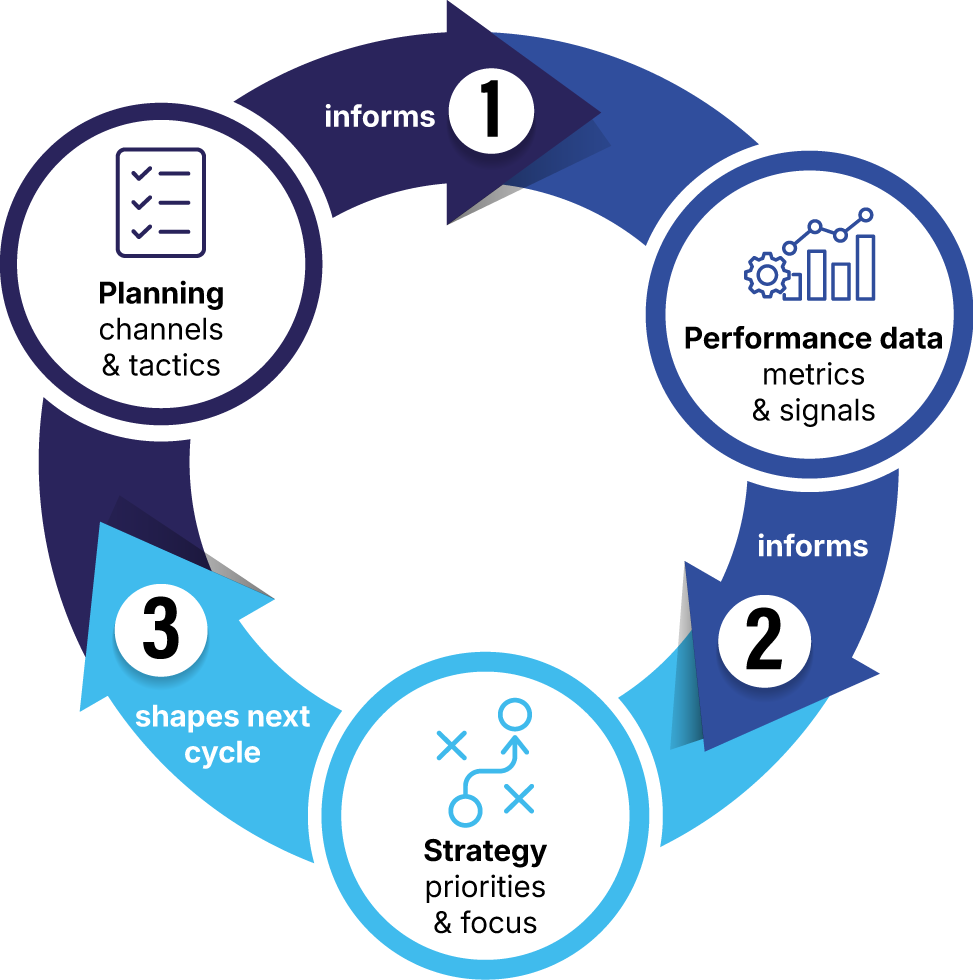
A double-edged sword: the growing complexity of Medical Affairs publication performance data

The variety of channels and audiences that define scientific communications reach and engagement is growing. In turn, Medical Affairs teams...

Popular