Solving a 50-year-old mystery involving 2 billion-year-old rock

Solving a 50-year-old mystery involving 2 billion-year-old rock

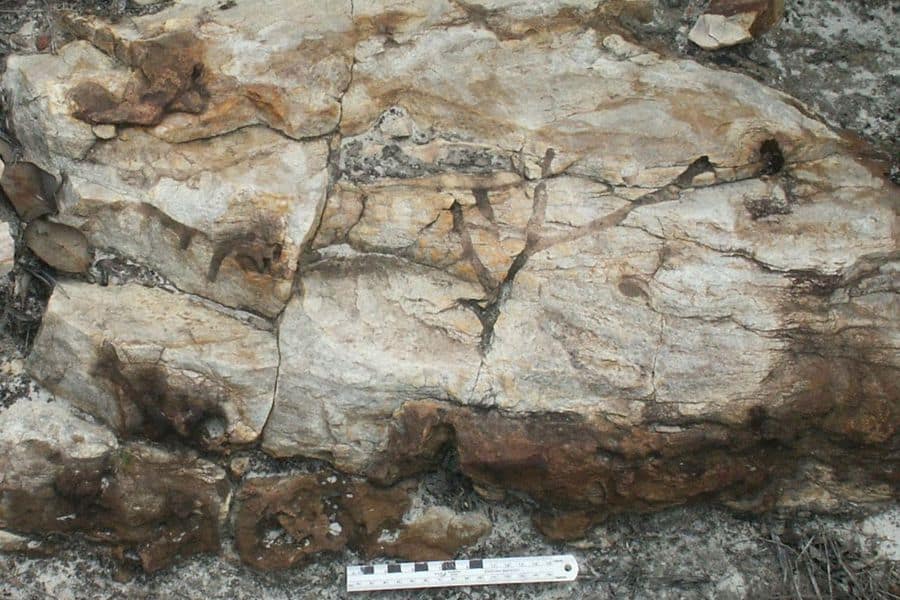
Geologists have been baffled by perforations in an Australian quartzite (rock), identical in shape to burrows made in sands by crustaceans; the original sandy sediment is a billion years older than the oldest known animals. An international team of scientists has now resolved the mystery.

When animals move, they leave traces, such as dinosaur footprints or the burrows of worms. These reveal how ancient animals moved, how they foraged and how they interacted with one another. Trace fossils are as old as the animal world.

Geologists were therefore stunned by the discovery in Western Australia of traces of burrowing animals in ancient quartzite, a rock type that was formed when sandy sediments were subjected to high pressures and temperatures.

“Quartzite is as hard as concrete and impossible for burrowing animals to penetrate,” said Bruce Runnegar, UCLA professor emeritus in the Department of Earth, Planetary, and Space Sciences and co-author of the new research, published today in the journal Proceedings of the National Academy of Sciences. “The traces would therefore have had to be made while the sand was still loose. But the sand was deposited 1.7 billion years ago — a billion years prior to the appearance of the first animals in the fossil record, and its transformation to quartzite occurred more than 1.2 billion years ago, much earlier than the oldest animal fossils, which are less than 0.6 billion years old.”

A Swedish-Australian-Chinese-American team has now offered a solution to this riddle. The scientists present an explanation that does not require unreasonably ancient animals or concrete-chewing worms with diamond teeth.

The team measured the age of sand in the burrows using unusual radioactive minerals.

“The age turned out to be more than a billion years younger than the enclosing quartzite,” said co-author Birger Rasmussen, adjunct professor at the University of Western Australia. “The burrows could therefore have been made by animals.”

But how can animals burrow through hard quartzite? The answer was given by microscopic investigations, which showed that the grains had first separated at contact surfaces, resulting in a friable matrix, and then been fused again through later deposition of quartz, returning the rock to the state of hard quartzite.

“A similar process produced the stuff of the standing stones of Stonehenge,” Runnegar said.

A window in time had thus been opened to enable burrowing, the researchers report. Through comparisons with surrounding sedimentary strata, the scientists could date this window to about 40 million years ago, during the Eocene epoch of Earth’s history.

“Most likely, the traces were made by crustaceans, which invaded southwestern Australia during a short-lived marine transgression associated with the opening of the Southern Ocean,” said senior author Stefan Bengtson, professor emeritus and paleontologist at the Swedish Museum of Natural History.

“These trace fossils in the ‘wrong’ rocks have been a mystery for half-a-century,” Bengtson said. “We are glad to have been able to demonstrate geological processes that resolve this conundrum.”

Story by Stuart Wolpert, UCLA Physical Sciences


from ScienceBlog.com https://ift.tt/39SKujW

New tool predicts changes that may make COVID variants more infectious

New tool predicts changes that may make COVID variants more infectious

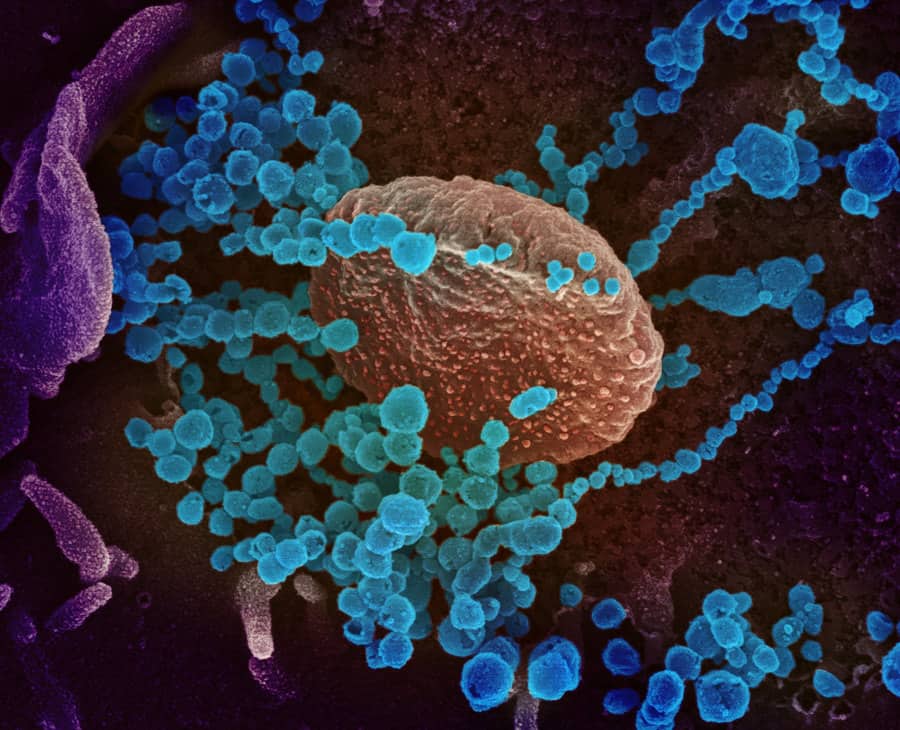
As SARS-CoV-2 continues to evolve, new variants are expected to arise that may have an increased ability to infect their hosts and evade the hosts’ immune systems. The first key step in infection is when the virus’ spike protein binds to the ACE2 receptor on human cells. Researchers at Penn State have created a novel framework that can predict with reasonable accuracy the amino-acid changes in the virus’ spike protein that may improve its binding to human cells and confer increased infectivity to the virus.

The tool could enable the computational surveillance of SARS-CoV-2 and provide advance warning of potentially dangerous variants with an even higher binding affinity potential. This can aid in the early implementation of public health measures to prevent the virus’s spread and perhaps even may inform vaccine booster formulations.

“Emerging variants could potentially be highly contagious in humans and other animals,” said Suresh Kuchipudi, clinical professor of veterinary and biomedical sciences and associate director of the Animal Diagnostic Lab, Penn State. “Therefore, it is critical to proactively assess what amino acid changes may likely increase the infectiousness of the virus. Our framework is a powerful tool for determining the impact of amino acid changes in the SARS-CoV-2 spike protein that affect the ability of the virus to bind to ACE2 receptors in humans and multiple animal species.”

The team used a novel, two-step computational procedure to create a model for predicting which changes in amino acids — molecules linked together to form proteins — may occur in the receptor binding domain (RBD) of SARS-CoV-2’s spike protein that could affect its ability to bind to the ACE2 receptors of human and other animal cells.

According to Kuchipudi, the currently circulating variants include one or more mutations that have led to amino-acid changes in the RBD of the spike protein.

“These amino-acid changes may have conferred fitness advantages and increased infectivity through a variety of mechanisms,” he said. “Increased binding affinity of the RBD of the spike protein with the human ACE2 receptor is one such mechanism.”

Kuchipudi explained that the spike protein binding to the ACE2 receptor is the first and crucial step in viral entry to the cell.

“The binding strength between RBD and ACE2 directly affects infection dynamics and potentially disease progression,” he said. “The ability to reliably predict the effects of virus amino-acid changes in the ability of its RBD to interact more strongly with the ACE2 receptor can help in assessing public health implications and the potential for spillover and adaptation into humans and other animals.”

Costas D. Maranas, Donald B. Broughton Professor in the Department of Chemical Engineering at Penn State, led the development of the team’s new two-step procedure. First, the researchers tested the predictive power of a technique, called Molecular Mechanics-Generalized Born Surface Area (MM-GBSA) analysis, to quantify the binding affinity of the RBD for ACE2. MM-GBSA analysis sums up multiple types of energy contributions associated with the virus’s RBD “sticking” to the human ACE2 receptor. Using data from already existing variants, the team found that this technique was only partially able to predict the binding affinity of SARS-CoV-2’s RBD for ACE2.

Therefore, Maranas and the team explored the use of the energy terms from the MM-GBSA analysis as features in a neural network regression model — a type of deep-learning algorithm — and trained the model using experimentally available data on binding in variants with single amino acid changes. They found that they could predict with more than 80% accuracy whether certain amino acid changes improved or worsened binding affinity for the dataset explored.

“This combined MM-GBSA with a neural network model approach appears to be quite effective at predicting the effect of amino acid changes not used during model training,” said Maranas.

The model also allowed for the prediction of the binding strength of various already observed SARS-CoV-2 amino acid changes seen in the Alpha, Beta, Gamma and Delta variants. This may provide the computational means for predicting such affinities in yet-to-be discovered variants. Nevertheless, even though our computational tool can find amino acid changes that boost binding affinity even further, they have not yet been observed in circulating variants. This may mean that such changes could interfere with other requirements of productive virus infection. It is a reminder that binding with the ACE2 receptor is not the complete story.

The findings published today (Sept. 29) in the journal Proceedings of the National Academy of Sciences.

“Our method sets up a framework for screening for binding affinity changes resulting from unknown single and multiple amino acid changes; therefore, offering a valuable tool to assess currently circulating and prospectively future viral variants in terms of their affinity for ACE2 and greater infectiousness,” said Maranas.

Kuchipudi added, “SARS-CoV-2 can switch hosts as a result of increased contact between the virus and potential new hosts. This tool can help make sense of the enormous virus sequence data generated by genomic surveillance. In particular, it may help determine if the virus can adapt and spread among agricultural animals, thereby informing targeted mitigation measures.”

Co-first authors on the paper are Chen Chen, postdoctoral researcher, and Veda Sheersh Boorla, graduate student in chemical engineering, both at Penn State. Other authors include Deepro Banerjee, graduate research assistant, Penn State; Ratul Chowdhury, postodoctoral associate, Harvard University; Victoria S. Cavener, researcher, Huck Institutes of the Life Sciences, Penn State; Ruth H. Nissly, research technologist in veterinary and biomedical sciences, Penn State; Abhinay Gontu, graduate student in veterinary and biomedical sciences, Penn State; Nina R. Boyle, graduate student in integrative and biomedical physiology, Penn State; Kurt Vandegrift, associate research professor of biology, Penn State; and Meera Surendran Nair, assistant clinical professor of veterinary and biomedical sciences, Penn State.

The United States Department of Agriculture, the United States Department of Energy and the Huck Institutes of the Life Sciences at Penn State supported this research.


from ScienceBlog.com https://ift.tt/3FgkkpV

Methane: Potential of an overlooked climate change solution

Methane: Potential of an overlooked climate change solution

Earlier this month, President Biden urged other countries to join the U.S. and European Union in a commitment to slashing methane emissions. Two new Stanford-led studies could help pave the way by laying out a blueprint for coordinating research on methane removal technologies, and modeling how the approach could have an outsized effect on reducing future peak temperatures.

The analyses, published Sept. 27 in Philosophical Transactions of the Royal Society A, reveal that removing about three years-worth of human-caused emissions of the potent greenhouse gas would reduce global surface temperatures by approximately 0.21 degrees Celsius while reducing ozone levels enough to prevent roughly 50,000 premature deaths annually. The findings open the door to direct comparisons with carbon dioxide removal – an approach that has received significantly more research and investment – and could help shape national and international climate policy in the future.

“The time is ripe to invest in methane removal technologies,” said Rob Jackson, lead author on the new research agenda paper and senior author on the modeling study. Jackson is the Michelle and Kevin Douglas Provostial Professor of Energy and Environment in Stanford’s School of Earth, Energy & Environmental Sciences.

The case for methane removal

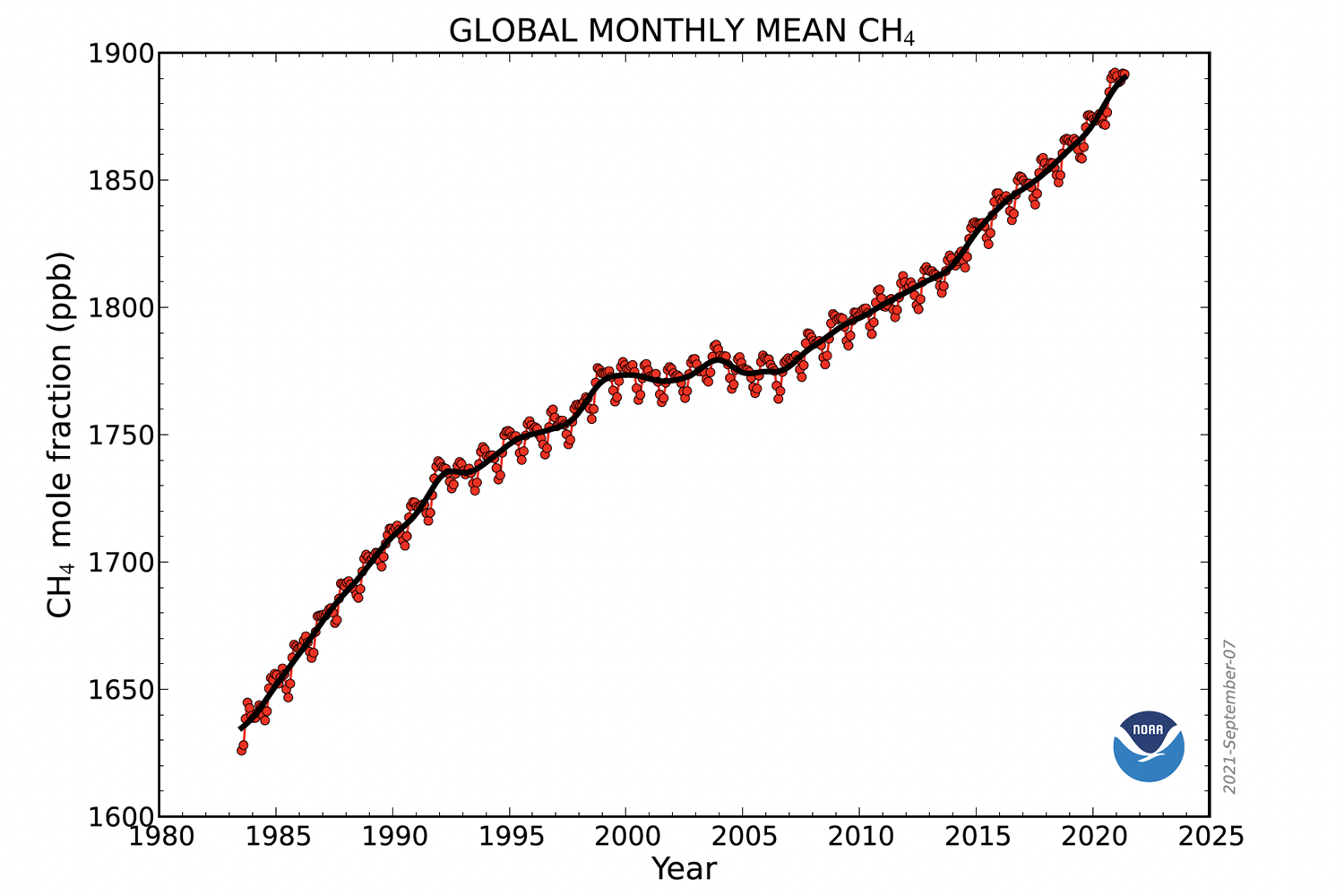
The relative concentration of methane has grown more than twice as fast as that of carbon dioxide since the beginning of the Industrial Revolution. Removing methane from the atmosphere could reduce temperatures even faster than carbon dioxide removal alone because methane is 81 times more potent in terms of warming the climate over the first 20 years after its release, and about 27 times more potent over a century. Methane removal also improves air quality by decreasing the concentration of tropospheric ozone, exposure to which causes an estimated one million premature deaths annually worldwide due to respiratory illnesses.

Methane: Potential of an overlooked climate change solution 

Graph shows globally averaged, monthly mean atmospheric methane abundance determined from marine surface sites since 1983. (Image credit: NOAA)

Unlike carbon dioxide, the bulk of methane emissions are human-driven. Primary culprits include agricultural sources such as livestock, which emit methane in their breath and manure, and rice fields, which emit methane when flooded. Waste disposal and fossil fuel extraction also contribute substantial emissions. Natural sources of methane, including soil microbes in wetlands, account for the remaining 40 percent of global methane emissions. They further complicate the picture because some of them, such as thawing permafrost, are projected to increase as the planet warms.

While development of methane removal technologies will not be easy, the potential financial rewards are big. If market prices for carbon offsets rise to $100 or more per ton this century, as predicted by most relevant assessment models, each ton of methane removed from the atmosphere could then be worth more than $2,700.

Envisioning methane removal’s impacts

The modeling study uses a new model developed by the United Kingdom’s national weather service (known as the UK Met Office) to examine methane removal’s potential impacts while accounting for its shorter lifetime than carbon dioxide – a key factor because some of the methane removed would have disappeared anyway. The researchers created a set of scenarios by varying either the amount removed or the timing of removal to generalize their results over a wide range of realistic future emissions pathways.

Under a high emissions scenario, the analysis showed that a 40 percent reduction in global methane emissions by 2050 would lead to a temperature reduction of approximately 0.4 degrees Celsius by 2050. Under a low emissions scenario where temperature peaks during the 21st century, methane removal of the same magnitude could reduce the peak temperature by up to 1 degree Celsius.

“This new model allows us to better understand how methane removal alters warming on the global scale and air quality on the human scale,” said modeling study lead author and research agenda coauthor Sam Abernethy, a PhD student in applied physics who works in Jackson’s lab.

From research to development

The path to achieving these climate and air quality improvements remains unclear. To bring it into focus, the research agenda paper compares and contrasts aspects of carbon dioxide and methane removal, describes a range of technologies for methane removal and outlines a framework for coordinating and accelerating its scale-up. The framework would help facilitate more accurate analysis of methane removal factors ranging from location-specific simulations to potential interactions with other climate change mitigation approaches.

Methane is challenging to capture from air because its concentration is so low, but burgeoning technologies – such as a class of crystalline materials called zeolites capable of soaking up the gas – hold the promise of a solution, according to the researchers. They argue for increased research into these technologies’ cost, efficiency, scaling and energy requirements, potential social barriers to deployment, co-benefits and possible negative by-products.

“Carbon dioxide removal has received billions of dollars of investments, with dozens of companies formed,” said Jackson. “We need similar commitments for methane removal.”

Jackson is also a senior fellow at the Stanford Woods Institute for the Environment and the Precourt Institute for Energy and chairman of the Global Carbon Project. Coauthors of the research agenda paper include Josep Canadell of the Global Carbon Project; Matteo Cargnello, an assistant professor of chemical engineering at Stanford, Steven Davis and Chaopeng Hong of the University of California at Irvine; Sarah Féron, a postdoctoral fellow in Earth system science at Stanford at the time of the research; Sabine Fuss of Humboldt Universität in Germany; Alexander Heyer and Hannah Rhoda, PhD students in chemistry at Stanford; and Edward Solomon, the Monroe E. Spaght Professor of Humanities and Sciences at Stanford and professor of photon science at SLAC National Accelerator Laboratory; Maxwell Pisciotta and Jennifer Wilcox of the University of Pennsylvania; H. Damon Matthews of Concordia University in Montreal; Renaud de Richter of Ecole Nationale Supérieure de Chimie de Montpellier in France; Kirsten Zickfeld of Simon Fraser University in Canada. Coauthors of both papers include Fiona O’Connor and Chris Jones of the Met Office Hadley Centre.

Both papers were funded by the Stanford Woods Institute for the Environment’s Environmental Venture Projects program, the Gordon and Betty Moore Foundation, the National Sciences and Engineering Research Council of Canada and the Joint UK BEIS/Defra Met Office Hadley Centre Climate Programme. The paper led by Sam Abernethy was also funded by the Stanford Data Science Scholars Program and the European Union’s Horizon 2020 Crescendo Project.

To read all stories about Stanford science, subscribe to the biweekly Stanford Science Digest.

Media Contacts

Rob Jackson, School of Earth, Energy & Environmental Sciences: (650) 497-5841;
rob.jackson@stanford.edujacksonlab.stanford.edu

Sam Abernethy, School of Earth, Energy & Environmental Sciences: (650) 382-9943; sabernet@stanford.edu

Rob Jordan, Stanford Woods Institute for the Environment: (650) 721-1881; rjordan@stanford.edu


from ScienceBlog.com https://ift.tt/2ZMiz3m

Becoming an exoskeleton expert

Becoming an exoskeleton expert

Exoskeleton devices work, researchers say, for a variety of uses such as speeding up our walking or making running easier. Yet they don’t know what exactly makes exoskeletons effective. What is the benefit of customization, for example? And how much does simply getting used to the exoskeleton matter? Researchers in the Stanford Biomechatronics Laboratory at Stanford University examined these questions and found that training plays a remarkably significant role in how well exoskeletons provide assistance.

“People are amazing at learning new tasks,” said Katherine Poggensee, PhD ’21, a former member of the Stanford Biomechatronics Laboratory. “And so with training alone – just giving people time to learn how to use the device on their own – they can get great benefits from our devices.”

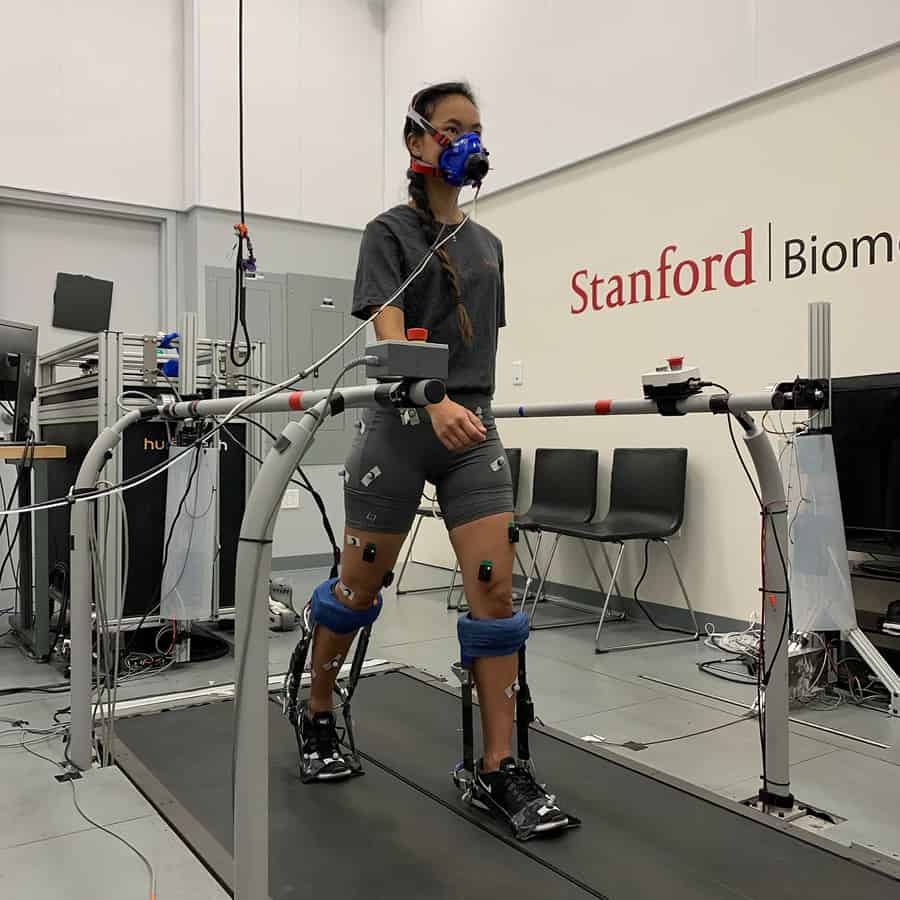
To uncover the secrets of exoskeleton success, Poggensee and Steve Collins, associate professor of mechanical engineering and lead of the Biomechatronics Laboratory, monitored the progress of 15 people outfitted with an ankle exoskeleton emulator – a device that attaches into the shoe and around the shank of a person’s legs and mimics a powered exoskeleton, but allows for abundant customization and fine-tuning through special lab-based controllers.

These people had never used an exoskeleton before, but while they all benefited from training, different approaches yielded vastly different results. Participants who received the most advantageous training conditions expended nearly 40 percent less energy while walking with exoskeleton assistance compared to walking with the exoskeleton turned off. Across all participants, the researchers determined that training contributed about half of the overall benefit offered by the exoskeleton. The research is detailed in a paper published Sept. 29 in Science Robotics.

“The main message for our colleagues is: We need to up our experimental game. We need to really train people,” said Collins, who describes the exoskeleton experience as less like putting on a superhero’s smart armor and more like riding a bike. “Once you learn how to do it well, you can just put on the exoskeletons and start walking and it’s easy – but becoming expert does take a little while.”

Taking the time
The researchers focused on three main questions: Can we train people to use exoskeletons by just giving them a device and having them walk for a long time? Can we help people train faster if we expose them to a variety of exoskeleton behaviors? And, once people are fully trained, how does customized control of the exoskeleton affect performance?

Participants were put into three main groups, each of which experienced five days of training. One group received generic assistance from the exoskeleton emulator (based on what helped participants in the past), another experienced continuous optimization of the device to their specific needs throughout the study, and the third group experienced optimization that was reset each day. As expected, participants in the continuous optimization group saw the greatest drop in energy expenditure and, because they were exposed to some variety in exoskeleton behavior, attained those benefits more quickly.

“What we didn’t expect was how well people did,” said Poggensee.

The people in the most advantageous group – continuous optimization and exposure to moderate variety – were the ones who reduced their energy costs by almost 40 percent. (And many participants did not even perceive how much the exoskeleton was assisting until they returned to walking with it turned off.) By comparing all the tests, the researchers determined that training was responsible for about half this improvement and around one-quarter was due to customization. Poggensee emphasized that customization would likely be even more important for people who have mobility issues.

Another surprise was how long it took participants to become “experts,” which the researchers defined as the point at which their energy improvements plateaued. This took about two hours in the exoskeleton emulators, the equivalent of five miles worth of walking. That may not sound like long, but it is a substantial commitment for lab studies.

“Fortunately for the users of future products, we expect people to accumulate lots of exposure over the course of their first week with a device. So, it shouldn’t inhibit people or prevent people from becoming expert in that context,” said Collins, who is also a faculty affiliate of the Stanford Institute for Human-Centered Artificial Intelligence (HAI), which provided funding for this research. “But, if we really want to understand how people respond to some new device in the lab, we’ll need lengthy protocols.”

Better training
This research points to the value of better understanding training, including how people become accustomed to mobility devices and how training can be improved.

“A big takeaway for me is that we need to let our participants drive our research,” Poggensee said. “We need to give them the time to actually learn how to use the device, so that we don’t interfere with any of the learning.”

The team’s interest was also piqued by the fact that, even after participants qualified as experts, there were still slow improvements to their performance over tens of hours of training. To really get the most out of exoskeletons, researchers may need to study how people’s bodies themselves are adapting; for example, the way muscles strengthen to better take advantage of the device.

For now, Collins and his lab are looking at how to speed up the acquisition of expertise, including a collaboration with Stanford computer scientist Emma Brunskill. And he’s increasingly optimistic about the potential for exoskeletons to become a commonplace device in many peoples’ lives.

“Exoskeletons are coming,” said Collins. “They’re going to improve your life and, once you get used to them, you might not even notice.”

This research was funded by the National Science Foundation and the Stanford Human-Centered Artificial Intelligence Grant Program. Collins is also a member of Stanford Bio-X and the Wu Tsai Neurosciences Institute.

To read all stories about Stanford science, subscribe to the biweekly Stanford Science Digest.

Media Contacts
Taylor Kubota, Stanford News Service: (650) 724-770, tkubota@stanford.edu


from ScienceBlog.com https://ift.tt/3zVbCtg

More evidence of how COVID-19 changed Americans’ values, activities

More evidence of how COVID-19 changed Americans’ values, activities

A new UCLA-led study decisively confirms findings of research published earlier this year, which found that American values, attitudes and activities had changed dramatically during the COVID-19 pandemic.

The earlier study, published in February, was based on an analysis of online behavior — Google searches and phrases posted on Twitter, blogs and internet forums. The latest research, published in the open-access journal Current Research in Ecological and Social Psychology, is based on a survey of 2,092 Americans — about half in California and half in Rhode Island.

Patricia Greenfield, a UCLA distinguished professor of psychology and senior author of both studies, said the results indicate that Americans’ activities, values and relationships have begun to resemble those found in small, isolated villages with low life expectancy — such as an isolated Mayan village in Chiapas, Mexico, that she has studied since 1969.

For example, according to the survey, people said that compared with pre-pandemic times, they are now more likely to be growing and preparing their own food, conserving resources, demonstrating less interest in financial wealth and showing greater appreciation for their elders. The researchers found all of those shifts are a function of Americans’ increased focus on survival and their isolation during the pandemic.

The study also found that during the pandemic parents expected their children to help out around the home — for example, by cooking for the family — more than they did before the pandemic.

The fact that the latest findings aligned with those of the earlier research on online trends provides additional support for both studies.

“The replication of findings using two very different methods gives us confidence that our survey findings indicate actual change,” Greenfield said.

In the new paper, the authors write that they expect most people’s behaviors and activities will shift back to pre-2020 norms once the pandemic is more fully under control. But they note that might not be true for people in their 20s and younger, whose values are likely to be more permanently shaped by the events of the past two years.

Californians and Rhode Islanders had lived under stay-at-home orders for a little more than a month in late April and early May 2020, when the study was conducted, and most survey respondents were still self-isolating when they took the survey.

Among the other findings:

  • Respondents reported that, as compared to before the pandemic, they were thinking substantially more during the pandemic about death and dying — including their own mortality and that of their family members, making wills and where they intended to be buried, for example.
  • People said they felt greater appreciation for their family and for elderly people during the pandemic than before.
  • While study participants said they were more focused than before on having enough money to cover basic needs like food and shelter, people were generally less focused on the goal of becoming rich.
  • Respondents reported an increase in the amount of time they spent on activities with other members of the household — shared meals and conversations.

Conducting the study in California and Rhode Island was beneficial because, beyond their differences in size and population, the states offer other useful contrasts: Rhode Island’s population is much less diverse than California’s, and at the time of the survey, Rhode Island’s COVID-19 mortality rate was five times higher than California’s.

The study’s results provide significant new evidence to support Greenfield’s long-held theory of social change, cultural evolution and human development, which was published in 2009 in the journal Developmental Psychology. The theory holds that when people are particularly concerned with their own survival and their social lives narrow to their own households, their activities, values, relationships and parenting expectations tend to shift to resemble those typical of small rural communities with low life expectancy. (When Greenfield began studying the Mayan village in Mexico, for example, approximately 35% of children there died before age 4.)

Greenfield said the theory was borne out during 2020 and 2021, even as the COVID-19 pandemic added two new elements — increased mortality and stay-at-home mandates — to the conditions she had previously taken into account.

“The experience of respondents in both states confirmed all of the predicted shifts,” Greenfield said. “The basic human responses to survival threat and limited contact with strangers have been conserved throughout human history and cultural evolution. This suggests that such reactions could be universal human responses that will be similar everywhere in response to the pandemic.”

To evaluate that idea, the researchers are now testing whether the findings from their U.S. studies also hold true in four other nations: Indonesia, Japan, Mexico and Turkey.

The study’s co-authors are Genavee Brown, a psychology lecturer at Northumbria University in England, and Han Du, a UCLA assistant professor of psychology. The research is being published as part of a journal special issue on the ecological and social psychology of the pandemic.


from ScienceBlog.com https://ift.tt/39OoQxg

Does an ally against climate change lie beneath our feet?

Does an ally against climate change lie beneath our feet?

By enhancing soil’s ability to store carbon, the ground we walk on could play an essential role in keeping carbon dioxide out of the air.

If we’re going to fight the effects of climate change, we’re going to have to get our hands dirty.

‘With a huge potential to act as a carbon sink, the soil that sits right under our feet could be at the front lines of climate change,’ said Dr Dragutin Protic, CEO of GILab, a company dedicated to developing solutions based on ICT and geoinformatics.

A carbon sink is a reservoir capable of accumulating and storing carbon for an indefinite period. In doing so, it lowers the concentration of carbon dioxide (CO2) from the atmosphere.

According to Dr Protic, who cited some recent scientific research, soil has the potential to remove an estimated 1.09 gigatonnes of CO2 per year.

From carbon sink to carbon emitter

Even though soil carbon sequestration appears to be a natural, no-regret solution to mitigating climate change, after decades of poor land management, Europe’s soils have been significantly degraded. ‘Soil degradation leads to a reduction in soil organic matter (SOM), which is where carbon is stored,’ explained Dr Protic. ‘In fact, according to recently published scientific research, nearly half of EU soils now have less than 2% SOM.’

As a result, instead of capturing carbon, soil is releasing carbon into the air, setting the scene for a climate catastrophe.

‘Europe’s croplands are losing carbon at a rate of 0.5% per year,’ warned Jean-Francois Soussana, a researcher and vice-chair at INRAE, (France’s National Research Institute for Agriculture, Food and Environment), and a member of the Mission Board on Soil Health and Food. ‘The picture is even more dire for peatlands which, as they are being rapidly drained, release huge amounts of carbon into the atmosphere.’

In an effort to reverse this trend, both Dr Protic and Soussana are leading efforts to preserve and enhance soil’s carbon sequestration capabilities. ‘Increasing carbon sequestration in soil enhances its resilience to the rapidly changing climate,’ said Soussana. ‘It also improves the quality and fertility of agricultural soils, as well as contributing to food security.’

Empowering soil sequestration smart farmers

As both researchers point out, storing carbon in soil organic matter requires healthy plants, high-quality soils and, most importantly, smart farmers. ‘It seems crucial to empower farmers and other stakeholders through effective knowledge creation and sharing,’ remarked Soussana.

One initiative helping to facilitate this knowledge exchange is the AgriCapture project. Led by Dr Protic, the project is developing a platform that uses Earth Observation to help farmers and public authorities explore opportunities in regenerative agriculture – a method of producing food that has a positive impact on the environment.

Earth Observation uses remote sensing technologies, such as the EU’s Copernicus satellite system, along with various ground-based techniques, to gather information about the Earth’s physical, chemical and biological systems. Using this data, the platform will map soil carbon and monitor soil carbon sequestration across Europe.

‘This will allow farmers to visually see how implementing regenerative agriculture practices could increase both carbon sequestration and farm profitability,’ explained Dr Protic. ‘It will also allow farmers to monitor their carbon release/capture ratio to ensure that all carbon offsetting goals are being met.’

The AgriCapture project is also working to verify and support the implementation of regenerative agricultural practices that, if successful, would result in the certification and generation of ‘carbon credits’.

‘Considering soil’s significant potential to act as a carbon sink, regenerative agriculture is a powerful tool for mitigating climate change,’ said Dr Protic.

Putting farmers at the vanguard of carbon sequestration

Another initiative using data to drive soil carbon sequestration is CIRCASA. Led by INRAE, the initiative is working to build an integrated soil carbon balance monitoring system and foster international research cooperation on soil carbon.

According to Dr Soussana, who leads the initiative, by bringing together data from satellites, soil surveys, long-term experiments and CO2 flux measurements, the system will empower farmers to be at the vanguard of soil carbon sequestration.

Beyond simply enabling farmers to monitor soil organic carbon, Soussana says the system can help teach us to create healthy soil by supporting nature-based carbon sequestration. ‘By ensuring that farmers know exactly how much carbon is being stored in their soil, they will be well positioned to make informed decisions that will lead to both healthy yields and a healthy planet,’ said Dr Soussana.

Rehabilitating the carbon sink

Through initiatives like AgriCapture and CIRCASA, Dr Soussana is confident that Europe will be able to enhance its soils’ carbon sequestration levels, thus ensuring that soil remains a carbon sink and not a carbon emitter.

‘We really do not have a choice, and we have to act now,’ stated Soussana. ‘Without carbon sequestration and the conservation of soils, I don’t see a viable route to staying within the +2°C by 2030 as proposed by the Paris Climate Agreement or to achieving the ambitious goals of the European Green Deal.’

Laying the foundation for a common EU framework to preserve, protect and restore soil, the Commission is adopting a new Soil Strategy this year. In addition, a Horizon Europe mission will lead the transition towards healthy soils for people, nature and the climate by 2030.

This article is part of our Monthly Focus titled Bringing Europe’s soils back to life. The research in this article was funded by the EU. If you liked this article, please consider sharing it on social media.


from ScienceBlog.com https://ift.tt/39TijkI

Faces of ancient mummies revealed via DNA

Faces of ancient mummies revealed via DNA

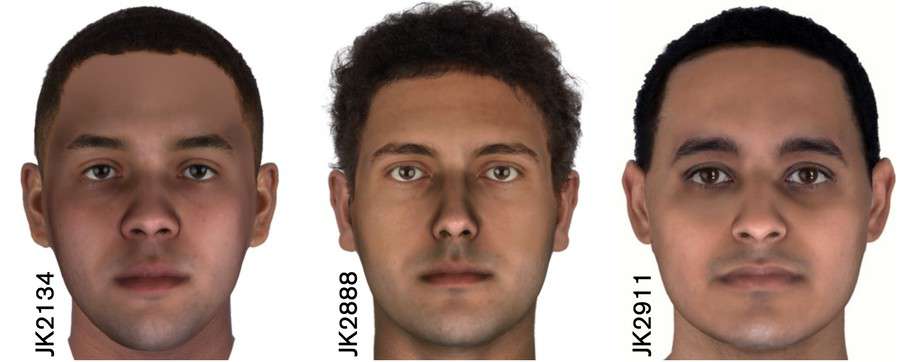
At the 32nd International Symposium on Human Identification (ISHI), being held this week in Orlando, FL, Parabon NanoLabs will unveil for the first time the predicted faces of three ancient mummies from an ancient Nile community in Egypt known as the Abusir el-Meleq. The mummy samples, estimated to be between 2,023 and 2,797 years old, were processed by researchers from the Max Planck Institute for the Science of Human History and the University of Tubingen in Germany (Schuenemann et al. 2017).1 Enzymatic damage repair was performed on each sample, after which they were sequenced with a capture assay targeting 1.24 million single nucleotide polymorphisms (SNPs) and aligned to the human reference genome. Parabon used the resulting whole-genome sequencing data, which is publicly available in the European Nucleotide Archive (ENA), and selected three samples with the highest quality data to analyze. The company believes this is the first time comprehensive DNA phenotyping has been performed on human DNA of this age, and the results are being presented to the forensic community in ISHI poster #51.Learn More About Snapshot DNA Analysis »

This work was made possible by recent bioinformatic advances in the field of low-coverage imputation, which allows for highly accurate determination of common SNP genotypes from low-coverage sequencing data. The sequencing coverages for the three mummy samples were only 0.13X, 0.23X, and 0.96X, respectively, meaning that each position in the genome was covered less than one time on average. Because individuals have two copies of each SNP, only 0.1%, 0.3%, and 2.8% of the SNPs, respectively, could be directly called from the data, which would not be enough information for phenotype prediction or for traditional imputation. With low-coverage imputation, however, the SNP call rates jumped to 29%, 39%, and 65%, respectively. Parabon bioinformaticist and WGS analyst, Dr. Janet Cady, who spearheaded the work, is enthusiastic about the results. “Parabon has been the leader in forensic microarray analysis for years, and with the introduction of this new imputation technology, we can now handle even the most challenging samples, ancient or forensic” she said.See All Published Police Investigations »

After the imputation step, Parabon applied its Snapshot DNA Phenotyping pipeline to each of the three mummy samples. Snapshot was designed to operate on challenging forensic samples, so it is specifically calibrated to handle missing data, some of which remains even after low-coverage imputation. Snapshot predicted each mummy’s ancestry, pigmentation, and face morphology. Interestingly, their ancestry was determined to be more similar to modern Mediterranean and Middle Eastern individuals than to modern Egyptians. Their complexions were predicted to be light brown, with dark eyes and hair and no freckles. These results are highly consistent with Schuenemann et al’s conclusions that “ancient Egyptians shared more ancestry with Near Easterners than present-day Egyptians, who received additional sub-Saharan admixture in more recent times” and that they had an allele for lighter skin. Three-dimensional face morphology was inferred by predicting the values of face principal components (PCs), which were then transformed into 3D graphical meshes. The face predictions were compared to one another, and heat maps were calculated to show the differences between the subjects. These differences were then emphasized to create caricatured faces, which were combined with the pigmentation predictions to create composites of the individuals’ likely appearance at age 25 by Parabon’s forensic artist.Read More Snapshot Success Stories »

“It’s great to see how genome sequencing and advanced bioinformatics can be applied to ancient DNA samples,” said Dr. Ellen Greytak, Parabon’s Director of Bioinformatics. “Just like in Parabon’s law enforcement casework, these techniques are revolutionizing ancient DNA analysis because they operate on fragmented DNA and have been shown to be sensitive down to only 10 picograms of DNA.”

A print-ready PDF of the scientific poster can be downloaded from Parabon’s website at https://snapshot.parabon.com/ishi2021-posterFaces of ancient mummies revealed via DNA.


from ScienceBlog.com https://ift.tt/39Qq3UE

Featured Post

A double-edged sword: the growing complexity of Medical Affairs publication performance data

The variety of channels and audiences that define scientific communications reach and engagement is growing. In turn, Medical Affairs teams...

Popular